
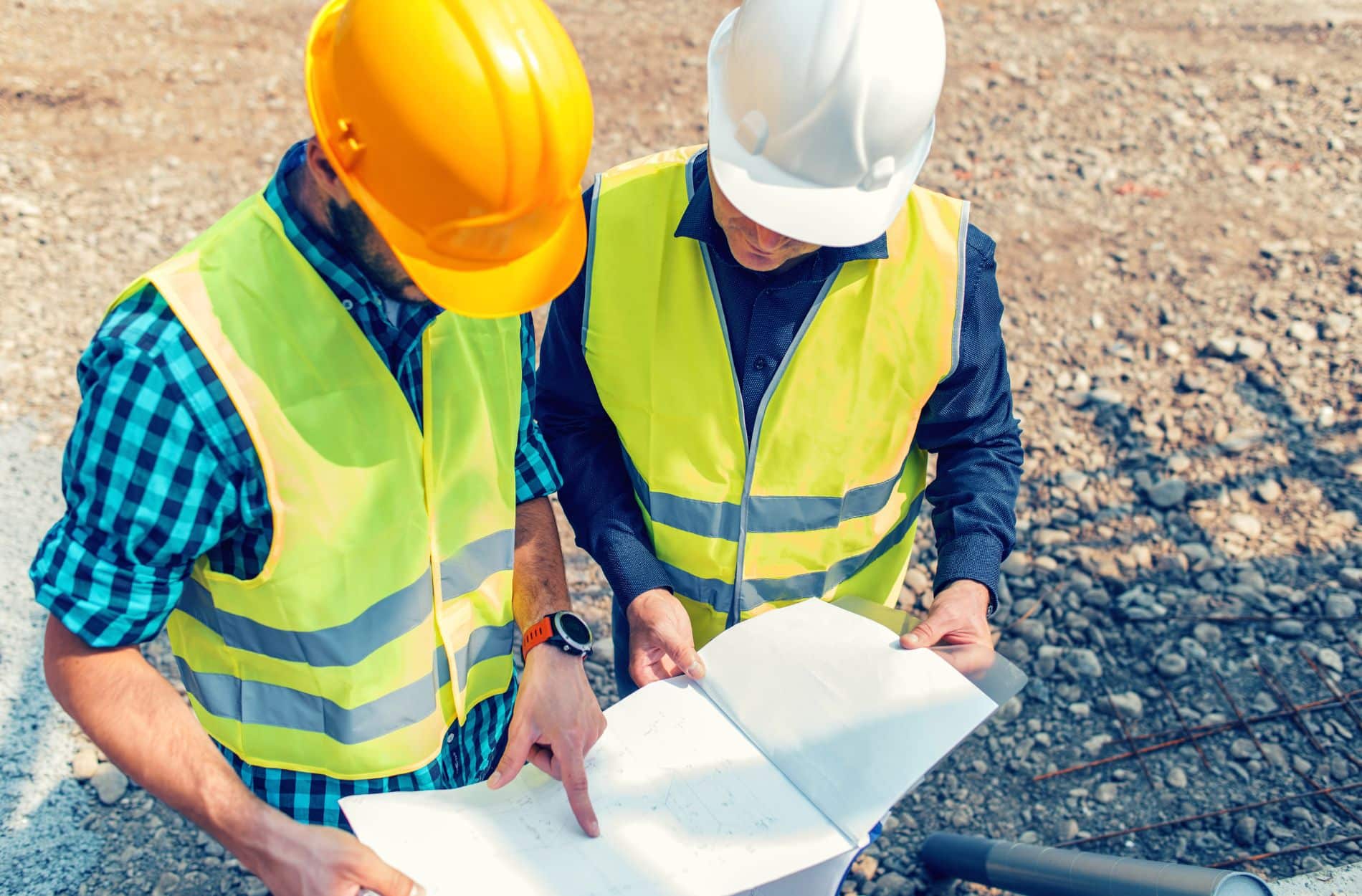
Constructing a new home is a significant undertaking, and incorporating eco-friendly practices into the process can lead to long-term benefits for both the environment and your wallet. Eco-friendly construction is more than just a trend; it’s a commitment to sustainability and a healthier planet. By making thoughtful choices during the building process, you can enjoy the satisfaction of reducing your carbon footprint and potentially lowering utility bills.
An eco-friendly approach to new construction doesn’t mean sacrificing style or comfort. On the contrary, it offers an opportunity to embrace innovative solutions that enhance the efficiency and functionality of your home. With growing awareness of environmental concerns, building a sustainable home aligns with modern values and contributes positively to community development.
Using Sustainable Building Materials
Choosing the right materials is a foundational step in creating an eco-friendly home. Opting for sustainable building materials helps minimize environmental impact while enhancing your home’s longevity. Here’s how you can make smart choices:
– Renewable Materials: Consider using bamboo, a rapidly regenerating resource, which is both durable and visually appealing. Bamboo can be an excellent choice for flooring, cabinetry, and even furniture, adding a modern touch to your interiors.
– Recycled Options: Materials like reclaimed wood and recycled steel can significantly reduce waste. Reclaimed wood adds character and warmth, while recycled steel provides structural strength without the environmental cost of producing new steel.
– Low-VOC Finishes: It’s essential to consider low-VOC (Volatile Organic Compounds) paints and finishes. These products release fewer harmful chemicals into your home, promoting healthier indoor air quality for you and your family.
Incorporating these materials in your construction project helps reduce your new home’s environmental footprint. By taking these steps, you create a space that reflects your values, promotes wellness, and stands as a testament to sustainable living.
Energy-Efficient Design
Improving energy efficiency is a smart move for both the environment and your wallet. Good insulation and high-quality windows are key to keeping your home comfortable all year round. Insulation helps keep the heat in during the winter and out during the summer. Choosing windows that are designed to conserve energy makes a big difference by reducing the need for heating and cooling systems to work overtime.
– Solar Panels: One effective way to harness energy and save on electricity bills is the installation of solar panels. These panels convert sunlight into electricity, which can power your home efficiently. While there might be an upfront cost, the long-term savings and environmental benefits make it a wise choice.
– Natural Light Optimization: Reducing reliance on artificial lighting isn’t just about saving energy; it’s also about creating a pleasant living space. Strategically placing windows and using skylights can maximize natural light and reduce the need for artificial lighting during the day.
– Ventilation Strategies: Good ventilation and airflow can reduce the need for air conditioning, particularly if you design with cross ventilation in mind. Ceiling fans and window placement can help maintain natural airflow, keeping your home cool without excessive energy use.
Water Conservation Techniques
Water conservation is equally important in eco-friendly home construction. Using water-saving plumbing fixtures is one of the simplest ways to conserve water. Install low-flow faucets and showerheads, and consider dual-flush toilets, which use different amounts of water for liquid and solid waste.
Another technique to consider is rainwater harvesting. This system collects rainwater from the roof and gutters, which can then be used for watering gardens and landscaping. Coupling this with greywater recycling systems allows water from sinks and baths to be reused for irrigation, stretching water resources further.
For landscaping, choosing native plants can significantly reduce water consumption. These plants are adapted to the local climate and require less watering, making them a sustainable choice. Using mulch in gardens can also help retain soil moisture, further decreasing water usage.
Creating Your Eco-Friendly New Construction Home
Embarking on the journey of building an eco-friendly home is an exciting step. By integrating sustainable materials, energy-efficient designs, and water conservation strategies, you contribute to a healthier planet and a more sustainable future. The steps you take today will not only reduce your environmental impact but also provide lasting financial savings.
Building a home that aligns with these eco-friendly principles reflects a commitment to living responsibly and caring for our shared environment. The choices that you make in your construction project will pay dividends for years to come, enhancing your living experience and setting a positive example for others. As communities grow more aware of their role in protecting the planet, being part of this movement ensures that your home is resilient, resourceful, and ready for the future.
Ready to explore new options for eco-friendly living? Discover how you can incorporate sustainable practices into your next project with Precise Home Builders. Learn more about how our new construction services can help you build a home that’s both environmentally responsible and beautifully designed.
