
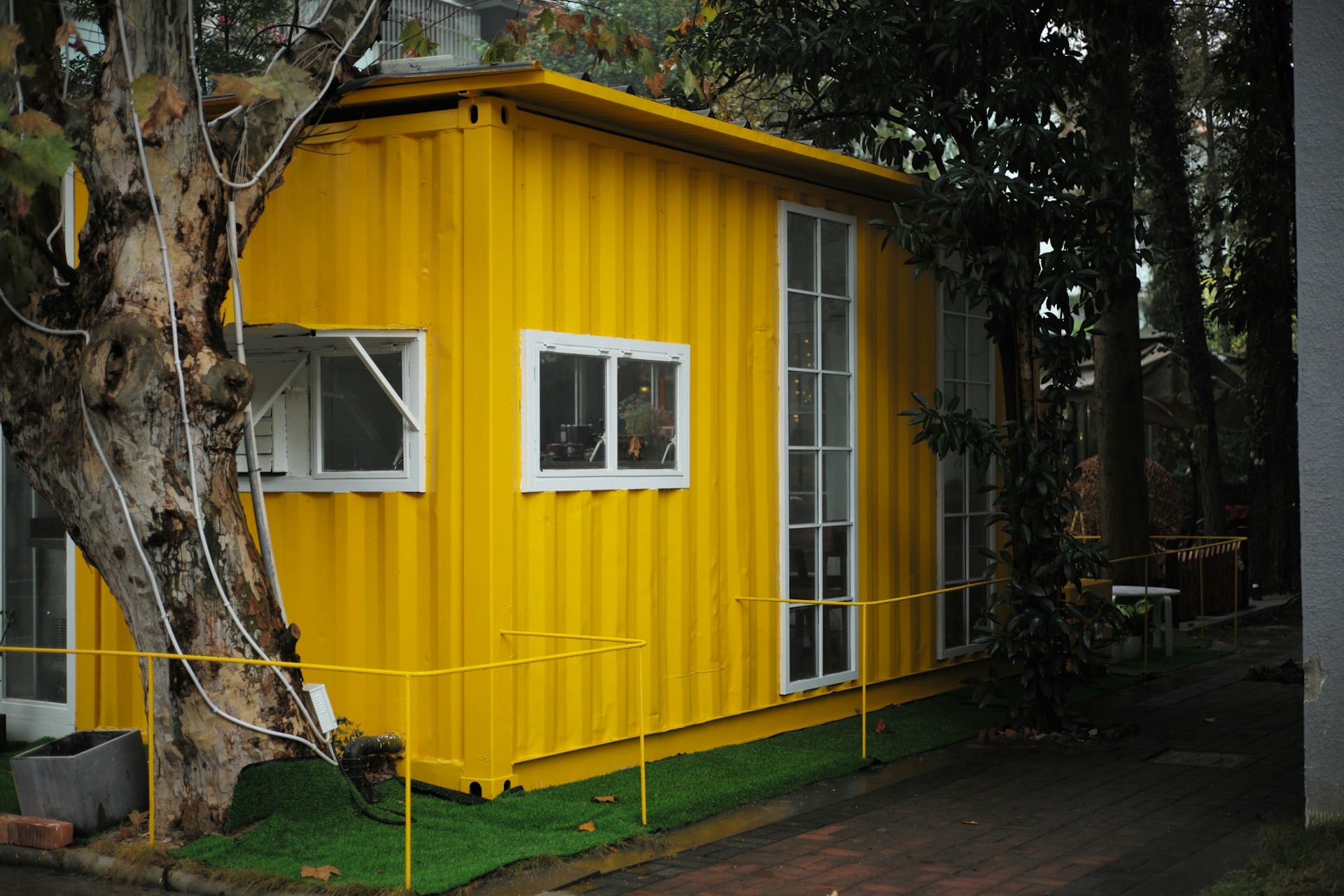
Accessory Dwelling Units, commonly known as ADUs, have become a popular solution for homeowners who are eager to make the most out of their property. These units offer a versatile way to utilize available space, providing a separate yet connected living area that can address various needs. Whether it’s for allowing family members to live nearby, generating rental income, or simply adding value to your home, ADUs can be an excellent choice. However, constructing an ADU means more than just adding square footage. The layout plays a crucial role in ensuring that the space is functional, private, and easy to navigate.
Many homeowners in California are exploring ADU construction, particularly as space becomes a premium resource. People often face layout challenges such as limited privacy, inefficient use of space, and poor flow. These issues might make living conditions uncomfortable and deter potential renters. Understanding how these challenges can be addressed through smart design and strategic planning is key to a successful ADU project.
Understanding ADU Construction
An Accessory Dwelling Unit is a secondary housing unit on a single-family residential lot. Unlike extensions or home additions, ADUs are standalone structures that can be designed to match the aesthetics and functionality of the main home. There are several types of ADUs, like detached units that provide a completely separate living space or garage conversions that transform pre-existing structures into a livable area.
The primary advantage of ADUs is their ability to solve space constraints. They provide additional housing without the need to build new infrastructure, which is especially beneficial in urban areas. Some of the benefits include:
– Providing a comfortable living space for elderly relatives or grown children.
– Creating an opportunity for rental income without altering the main house.
– Increasing property value by adding a unique selling point.
Choosing the right type of ADU depends on your property’s specific needs and layout. Detached units offer the most flexibility since they can be placed anywhere on the lot, while garage conversions take advantage of existing structures, making them cost-effective. Each option comes with its own set of layout challenges and opportunities, but with thoughtful planning and design, these challenges can be transformed into rewarding results.
Common Layout Issues and Solutions
Creating a well-designed ADU involves more than selecting materials and setting dimensions. One of the biggest hurdles homeowners face is ensuring privacy. Nobody wants to live in a space where they lack a feeling of sanctuary. Achieving privacy can be as simple as incorporating tall fences or strategically placing shrubs. Inside, consider using sliding doors or partitions to create private zones. For example, a cozy reading nook can offer solitude without taking up too much space, providing a simple yet effective way to carve out personal areas.
Space efficiency is another frequent challenge in ADU construction. Often, these units are built on a smaller scale, which means every square foot counts. Optimizing small spaces involves clever design choices like choosing multifunctional furniture. Consider couches that double as beds, or tables that extend when needed but tuck away neatly when not. Utilizing vertical space can also be a game-changer. Installing shelves or hooks at various heights can help keep clutter off the floor while maximizing storage options.
Flow and accessibility should never be overlooked, regardless of how inviting a space may seem. A functional layout allows easy movement and ensures all areas are reachable, even for those with mobility issues. To enhance flow, keep pathways clear and use open floor plans where possible. Incorporating wider doorways and step-free transitions can make a big difference, especially for individuals with mobility aids.
Design Tips for Effective ADU Construction
Maximizing natural light is crucial for making an ADU feel airy and welcoming. Large windows can flood a room with light, creating a sense of openness. Skylights are another option for bringing in sunlight without sacrificing wall space. Try to position the windows where they capture the most light throughout the day.
Smart storage solutions are essential in any compact living space. Innovative options can significantly increase storage without impacting aesthetics. Opt for built-in shelves that blend seamlessly with walls or furniture. Consider under-bed storage or bench seating with hidden compartments, which provide space without drawing attention. Think vertically and don’t overlook the potential of high ceilings for added cabinetry or shelving.
Getting Started with Your ADU Project
Starting your ADU venture might seem intimidating, but it often begins with careful planning. First, evaluate your property’s capabilities and restrictions. This involves measuring available space and understanding any local zoning laws. Once you have a sense of the possibilities, sketch a basic layout that considers privacy, accessibility, and efficient use of space.
Collaborating with experienced professionals can simplify the process and ensure quality results. They can help transform your preliminary designs into functional spaces. They’ll work alongside you to address your specific needs and navigate building codes.
Finally, as you embark on this journey, remember that adding an ADU is not just about adding space. It’s about designing a space that suits your lifestyle, enhances your home’s functionality, and potentially increases its value. Whether you seek a private retreat within your property or a versatile rental space, thoughtful design planning leads to rewarding transformations.
Ready to make the most out of your property? Enhance your living space with an expertly designed accessory dwelling unit tailored to your needs. Explore our comprehensive service for ADU construction and see how Precise Home Builders can help bring your vision to life. Whether you’re looking to add value or create a unique living environment, we’re here to guide and transform.
