
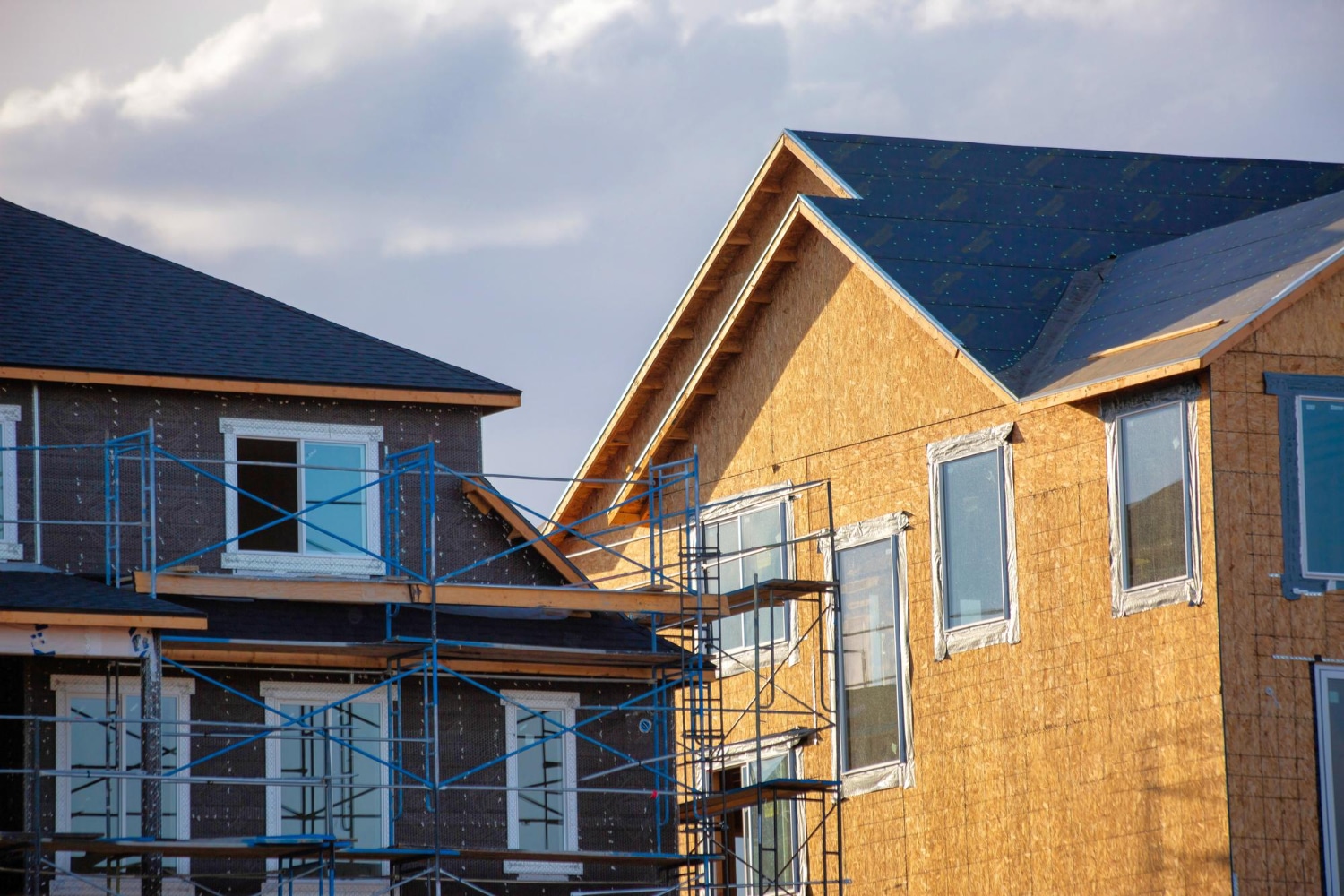
A live remodel means you are sharing your home with a construction crew while work is happening. Walls might be open, rooms might be blocked off, and your daily routine gets tested. When you stay put during major remodels, additions, or ADU projects, the quality of your residential construction services shows up in a very personal way. You feel every delay, every mess, and every win.
In the Greater Los Angeles area, many homeowners are choosing to live through their projects instead of moving out. That saves on short-term housing and lets you keep an eye on the work. It also raises the stakes. You are not just judging the finished kitchen or new suite. You are judging how your contractor handles your home, your time, and your stress level day by day.
Clarity From Day One: Plans, Scope, and Expectations
Before demolition starts, you should have a clear paper trail. If you do not, that is your first warning sign. For a major remodel, you should already have:
- A detailed contract and written scope of work
- Plans or drawings that show layouts and key dimensions
- Allowances for items like tile, fixtures, and cabinets
- A rough schedule with milestones
- A written process for change orders
Once work begins, check that your contractor is actually following what you all agreed on. When they suggest changes, they should explain why, show how it affects time and cost, and put it in writing.
Pay close attention to communication discipline. Strong residential construction services usually include:
- Regular check-ins, often weekly, to review progress
- One main point of contact who knows your project
- Clear answers, even if the answer is “we need to research that”
- Simple explanations of trade-offs, not vague promises
Red flags during a live remodel include shifting stories, unanswered messages, or hearing “we’ll figure it out later” over and over.
You can also watch how honest the schedule feels. Ask yourself:
- Is there consistent daily activity on site?
- Is the crew size in line with the amount of work left?
- Are inspections and key steps happening when they should?
Late summer in Los Angeles is full of back-to-school, travel, and early planning for holidays. A realistic schedule will factor in those calendar events, as well as the hottest parts of the day, and set expectations around noisy work, material lead times, and inspection dates.
Safety, Cleanliness, and Comfort in a Live Job Site
When you live through construction, cleanliness is not just about looks. It affects your health, your mood, and your ability to function. A well-run jobsite usually has:
- Floor protection and plastic barriers between work and living areas
- Daily trash removal and swept or vacuumed paths
- Covered materials stacked neatly, not blocking doors or hallways
- Dust control measures, such as zip walls or air filters
Responsible residential construction services limit how much dust and debris travel into the areas you are using. If you are finding a layer of dust on your pillows every night, something needs to change.
Safety and access matter just as much. You should see clear separation between work zones and living spaces, especially if you have kids or pets. The crew should:
- Keep tools and cords organized and out of main walkways
- Store ladders and sharp tools safely when they are not in use
- Maintain safe access to at least one bathroom, the kitchen, and all exits
Respect for your routines is another big test. In a live remodel, your contractor should be willing to plan around:
- Remote work calls or quiet hours
- Nap times or early bedtimes
- School drop-off and pick-up schedules
Los Angeles summers can add extra challenges, especially if exterior walls or windows are open for work. Temporary cooling, secure temporary doors, and quick closing of open areas help keep your home comfortable and safe while framing, windows, or sliding doors are going in.
Measuring Quality of Work in Real Time
Pretty finishes are nice, but the hidden work behind your walls matters more. As framing, rough plumbing, and electrical go in, look for basic signs of care:
- Straight studs and level framing, not crooked or twisted
- Pipes supported, not dangling or kinked
- Neat electrical lines, not a tangle of wires
- Boxes, lights, and plumbing fixtures placed where plans show
Ask about inspections and permits. Your contractor should be scheduling the right inspections and updating you when they pass or if anything needs to be corrected.
This is also the time to ask smart questions. You might ask:
- Why did you choose this material or method here?
- Can you walk me through what changed from the original plan?
- How will this choice affect future maintenance or upgrades?
A strong design-build team will answer in plain language, at a normal pace, without pushing you off the site or making you feel rushed.
Keep checking that what you see matches the design vision. Walk through and confirm:
- Door and window locations feel right when you stand in the space
- Ceiling heights match what you expected
- Built-in areas, like pantries or closet walls, fit your needs
Progress photos, simple 3D views, and on-site walk-throughs are helpful tools to make sure your future kitchen, bathroom, addition, or ADU is on the right track before it is too late to adjust.
Evaluating Professionalism in Residential Construction Services
Professionalism shows up in little, daily details. Notice how the team behaves on your property. Reliable crews:
- Arrive close to the times they promise
- Have a consistent group of people on site, not just random faces
- Treat your belongings and pets with care
- Park thoughtfully and keep noise as reasonable as the work allows
Cost transparency is another key sign. Quality residential construction services handle change like this:
- They explain why a change is needed or requested
- They give a clear, itemized description of added work
- They note how it affects the schedule
- They get your approval in writing before moving ahead
You should receive regular financial updates, especially when allowances are used and product selections are made.
Coordination across trades is also critical in a live remodel. When plumbers, electricians, HVAC, and finish crews are managed well, you see fewer gaps in activity and fewer “tear-outs” of completed work. A design-build approach helps line up design decisions with construction steps so rooms are measured correctly, materials are ordered on time, and crews are not waiting around while you scramble to pick tile.
Keeping Your Project on Track When Issues Arise
Older Los Angeles homes often hide surprises inside walls and under floors. It might be outdated wiring, past water damage, or structural framing that no longer meets current codes. When this happens, watch how your contractor responds. Responsible teams:
- Bring you clear photos or videos of the issue
- Offer a few repair options with pros and cons
- Speak openly about schedule impacts
- Focus first on safety and code compliance
If every new discovery turns into a drama, or if small issues turn into endless delays, that is a concern.
When unexpected work is needed, use a simple order of priorities: safety, code, function, then style. Some upgrades or wish-list items can be pushed to a later phase, as long as the structure and core systems are solid.
Progress checkpoints help keep everyone accountable. Common milestones include:
- Demolition complete and hauled away
- Rough mechanical, plumbing, and electrical approved
- Insulation and drywall finished
- Cabinets and tile installed
- Final punch list and cleanup
If something does not feel right, document it. Short emails and dated photos create a clear record of what you saw and when, which makes it easier to solve problems calmly.
Turn Today’s Remodel Into Tomorrow’s Dream Home
A successful live remodel is not perfectly smooth, but it feels controlled. You see daily or weekly progress. You know who to talk to. Your home stays as safe and comfortable as possible, and your confidence in your contractor grows over time.
Use this experience as a test run. Ask yourself if your current provider of residential construction services feels like the team you would trust for a future ADU, backyard makeover, pool, or solar-related work. Take notes on what worked well, what you would change next time, and what questions you wish you had asked earlier. The lessons you learn during this project can help make your next phase smoother, faster, and far more enjoyable while you keep living right at home in Los Angeles.
Get Started With Your Project Today
If you are ready to build a home that reflects your vision, our team at Precise Home Builders is here to help guide every step. Explore our residential construction services to see how we handle planning, design, and building with precision and care. We will walk you through timelines, budgets, and material choices so you can make confident decisions. Have questions or want to discuss specifics about your project, simply contact us to schedule a conversation with our team.
