
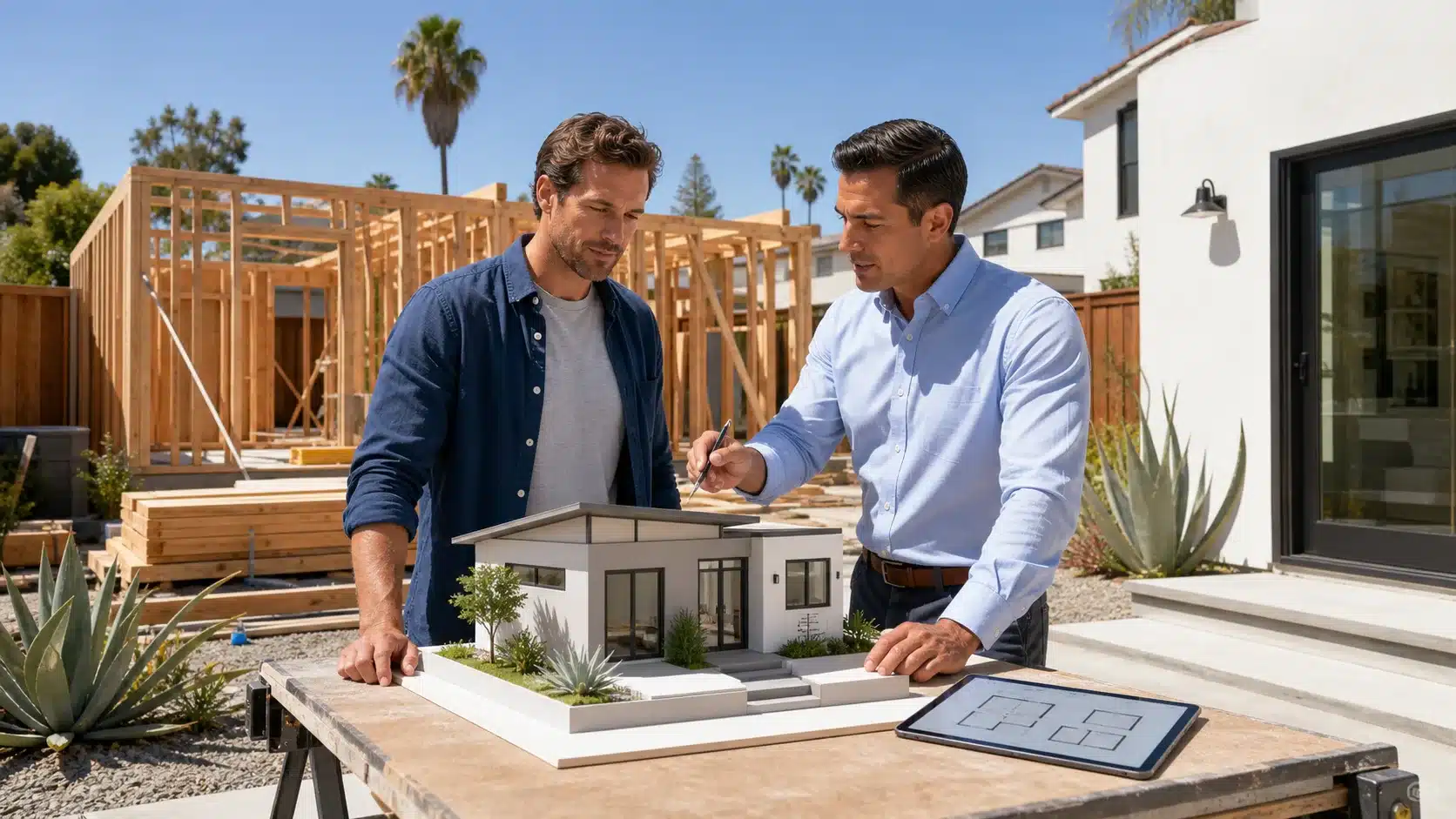
Build Wealth and Flexibility with a Los Angeles ADU
Adding an ADU to your property in Los Angeles can be a smart way to grow your long-term wealth and give your family more options. An ADU, or accessory dwelling unit, is a small home on the same lot as your main house. It can be a converted garage, a new detached unit in the backyard, or a space built over an existing structure. Many homeowners use an ADU for rental income, for multigenerational living, or simply to increase property value.
Fall is a great time to lock in your financing and handle city approvals so construction can move smoothly through the milder months ahead. That way your ADU can be ready for tenants or family move-ins by spring or summer, when many people prefer to move. Planning ahead also helps you avoid last‑minute stress when lenders, city offices, and everyone’s schedules get tight around the holidays.
Before you start talking to a bank or credit union, it helps to understand the typical investment range for an ADU in Los Angeles. Costs can change a lot based on size, design, and site conditions. A design‑build ADU construction company can help you shape a realistic plan from the beginning so your budget matches your goals and your financing.
Know Your ADU Budget Before You Talk to Lenders
Lenders will ask what your project will cost, and you want that number to be as accurate as possible. That starts with understanding what drives the price of an ADU. Some key factors include:
- Size and type of unit, such as a simple garage conversion, an attached unit, or a brand‑new detached unit in the yard
- Site conditions, including grading, access for crews, and how close you can build to property lines
- Utility work, such as sewer connections, electrical capacity, and water or gas line upgrades
- Level of finishes, like flooring, cabinetry, tile, fixtures, and appliances
- Required city fees, permits, and inspections for your area
A reputable ADU construction company can put together preliminary design ideas and a realistic cost range based on your property and goals. This early concept package is very helpful when you start speaking with lenders, because it shows you are serious and have a clear plan.
It is also smart to include a contingency fund in your budget. Many homeowners set aside an extra percentage of the project total for surprises like foundation issues, hidden damage in existing structures, or utility lines that are not where anyone thought they were. When you have a dedicated project manager watching costs, keeping change orders under control, and updating you and your lender, it is much easier to keep financing aligned with what is actually happening on site.
Popular ADU Financing Options for Los Angeles Homeowners
Once you have a clear budget range, you can compare different ways to pay for your ADU. Common options many Los Angeles homeowners explore include:
- Home equity loan, a fixed‑rate loan based on the equity in your home
- Home equity line of credit (HELOC), a revolving line of credit you draw from as needed
- Cash‑out refinance, replacing your current mortgage with a larger one and taking the difference in cash
- Renovation loans, such as Fannie Mae HomeStyle or FHA 203k, that roll improvements into your mortgage
- Local ADU‑focused programs, when available through certain lenders or housing agencies
Each option has its own pros and cons. For example, a home equity loan usually has a fixed rate and predictable payment, which many people like for long‑term planning. A HELOC can be more flexible, but rates are often variable. A cash‑out refinance changes your main mortgage, which can be helpful or not, depending on your current rate and how long you plan to stay in the home. Renovation loans may involve more paperwork but can be convenient if you want one combined payment.
When you compare options, look at:
- Interest rate type, fixed or variable
- Closing costs and fees
- How the new loan affects your current mortgage
- How quickly funds will be available to pay your ADU construction company on schedule
Lenders will usually look at your credit score, income, debt, and home equity. Getting prequalified in the fall gives you time to sort through these details and move into design and permitting without delays caused by funding gaps.
Partnering with an ADU Construction Company That Lenders Trust
Your choice of contractor can make the financing process smoother. Lenders often prefer working with licensed and insured contractors who have experience with local building departments and residential projects. A design‑build firm that has been active in the Los Angeles area for many years understands how banks want information presented and how inspectors review work.
A company experienced with ADUs can prepare:
- Detailed scopes of work that clearly show what is included
- Progress schedules that break the job into stages from design through final inspection
- Draw schedules that match how lenders release funds during construction
This helps your lender feel confident that the project is well planned. It also reduces delays when the bank needs paperwork to release the next draw. With one project manager following your ADU from concept to completion, lender questions can be answered quickly and estimate adjustments can be made if underwriting asks for changes. This is especially helpful around year-end when banks and city offices may have limited hours and slower processing times.
Maximize ADU Returns with Smart Financial Planning
Once you know how you will pay for your ADU, it is time to think about how the numbers work long term. Many homeowners look at expected rental income compared to their new monthly loan payment. While every property is different, you can research what similar ADUs in your neighborhood are renting for and use that as a rough guide to potential income.
To get a clearer picture, consider:
- Likely monthly rent for comparable ADUs in your area
- Your estimated loan payment and any changes to insurance or utilities
- Upkeep costs, such as cleaning, minor repairs, and landscaping
Tax planning is also an important part of the picture. A qualified tax professional can help you review topics like depreciation, expense deductions, and how tax rules can change depending on whether your ADU is used for short‑term rentals, long‑term tenants, or family housing. The right structure can make a big difference to your net return.
An experienced ADU construction company can shape the design around your financial goals. For example, many owners want:
- A separate entrance for privacy and easier renting
- Flexible floor plans that can work for singles, couples, or small families over time
- Energy‑efficient features, including solar, to help lower utility bills and appeal to renters
- Thoughtful placement of windows and outdoor space to make a smaller unit feel bright and comfortable
Good planning at this stage helps your ADU work for you, not only as a building but as part of your overall financial plan.
Take the Next Step Toward Your ADU Investment
Fall is a natural time to step back and plan the coming year. Using this season to secure financing, begin design, and move through city approvals gives your ADU the best chance of being ready for the next prime rental and moving periods. By the time many people are thinking about summer plans, your unit could already be built, inspected, and ready to use.
A simple path many homeowners follow is to clarify their goals for the ADU, gather basic property and mortgage information, and talk with at least one lender about which loan type fits their situation. From there, they match that financing choice with a clear construction timeline and a design‑build ADU construction company that can manage the project from concept through completion. Done thoughtfully, an ADU can add long‑term value to your property, create extra income or flexible family housing, and bring peace of mind that your space is working its hardest for you.
Get Started With Your Project Today
If you are ready to add more living space and value to your property, our team at Precise Home Builders is here to help you plan and build the right ADU for your needs. As a dedicated ADU construction company, we handle everything from design through final inspection so your project stays on time and on budget. Tell us a bit about your goals and constraints, and we will walk you through your best options and next steps. Reach out today through our contact page to schedule a consultation.
