
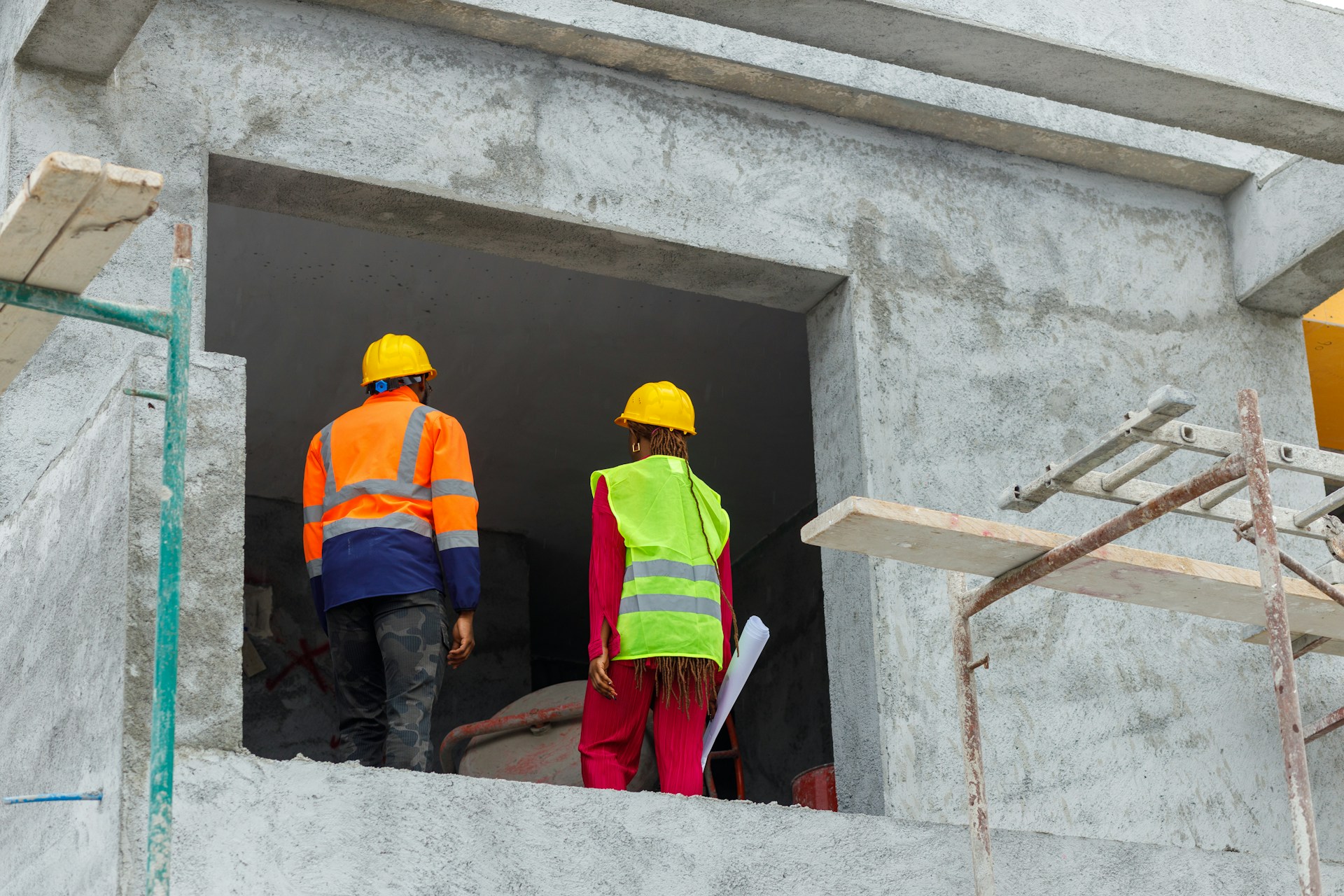
Starting work on custom homes in CA can feel like a dream finally coming to life. But before anything is built, there’s a lot of prep that needs to happen, and a good chunk of it happens before the ground is even touched. If you’re planning during January, you’re at just the right time to line things up for construction in the warmer months. Winter rarely brings harsh weather delays in California, but it can bring its own share of slowdowns. The key is understanding what kind of problems pop up during the early stages, so you can deal with them before they snowball into bigger ones. From permit confusion to design hold-ups, the early part of building custom homes is where many plans start to hit the first bumps.
Understanding Permit and Zoning Confusion
Permits sound simple in theory, but once you get into them, you’ll notice each city in California does things its own way. That can catch people off guard. Even neighborhoods just a few miles apart can have very different zoning rules.
- Some areas have height or size limits that clash with your design.
- Setback rules may affect how close your home can be to the street or edge of the property.
- If your lot falls in a special zone, like near a hillside or floodplain, extra approvals can be required.
During the winter months, city offices can get backlogged. The first few weeks after the holidays aren’t always the fastest for processing paperwork, which means delays. It’s smart to start reviewing these requirements early and allow extra time for plans to be reviewed or returned for revisions. No one wants to be stuck waiting around when they’re ready to build.
Unexpected Site and Soil Surprises
Even if a lot looks clear and good to go, the ground beneath it can say otherwise. Problems with a building site don’t always make themselves known right away. Often, site evaluations reveal more than expected.
- Poor drainage can cause water to gather under or around your home.
- Soil that’s too soft or sandy may not support a standard foundation.
- Some lots may require regrading, compaction, or retaining walls before concrete can be poured.
Winter weather in Southern California isn’t extreme, but it still can affect how dry or firm a site feels during early inspections. What seems solid in January could shift in late spring if drainage isn’t right. It helps to do thorough site assessments upfront, even if the ground appears flat and stable. Surprises uncovered late in the process can pull your timeline way off track.
Budget Gaps That Slow Progress
Planning a dream home usually starts with wish lists, and those lists can grow fast. It’s easy to get attached to features before really knowing what they’ll cost. That gap between high hopes and hard numbers is where progress can start to slip.
- Custom homes often end up costing more than expected once materials and labor are factored in.
- Prices for things like tile, cabinetry, or hardware can shift from what you saw online to what they cost now.
- Winter can mark the start of slow supply recovery after holiday shutdowns, which means more wait times and fewer material discounts.
This time of year, it’s common to see labor and material availability catch people off guard. Contractors may just be getting back to full schedules after time off, and manufacturers might still be working through orders from the end of last year. Planning with a buffer and being open to adjusting non-core details can help everything move along more smoothly.
Design Choices That Cause Timing Conflicts
Everyone wants their home to look and feel a certain way, but some design choices can delay the entire project early on. Special finishes or custom items might need more time to order or ship, and that affects the timing of everything else.
- Popular materials and finishes like natural stone or imported light fixtures are often made to order.
- Suppliers may be delayed due to factory restarts after the holiday season.
- Trying to finalize difficult design decisions late can stall layout approval or clash with permit timelines.
Something as small as picking just the right flooring can turn into a back-and-forth if samples have long lead times. In California, we don’t have to worry about snow affecting outdoor work, but indecision or supplier delays can bring things to a stop just as easily. If design choices are held up, that means construction will wait too.
Communication Breakdowns in Early Stages
When everyone’s excited about building a new home, it’s easy to assume you’re on the same page. But early planning is when good communication matters most. Without it, details get missed, and trouble starts later.
- Emails get buried or missed if schedules don’t include regular check-ins.
- Verbal choices made in passing often don’t make it into official plans.
- If expectations aren’t clearly written down, they get forgotten or misinterpreted under pressure.
We’ve seen how a single miscommunication, like a layout tweak never confirmed in writing, can ripple through several stages of a project. Things run smoother when every choice, from placement of windows to paint types, is clearly reviewed and logged early. Winter is a good time to lock in decisions with less rush, making spring construction easier.
Strategies for Successful Custom Home Beginnings
Building custom homes is always about the long view, but the start is where so much of the outcome is shaped. In California, starting in the winter means working through loaded city systems, stabilizing your site, and getting your team fully aligned before you even break ground.
Setback lines, soft soil, budget swings, slow deliveries, and missed communication, they don’t all show up at once. They creep in. And if you spot them early, you can plan for them or completely avoid them.
We offer a comprehensive preconstruction process in Los Angeles that covers feasibility studies, design planning, and collaborative budgeting before construction starts. Every project we take on is aligned to our client’s goals and specific lot requirements, helping to identify and reduce risks upfront. As an established Los Angeles homebuilder, we help you understand unique neighborhood permitting needs and can coordinate with city departments on your behalf for a more efficient process.
Set Up Strong to Avoid Setbacks
That’s the real goal of strong planning. Put in the time now to learn how things work, what delays to expect, and how to stay in sync with everyone. Once those walls start going up, you’ll be happier you laid good groundwork from the start. Building isn’t always fast, but with fewer roadblocks, you keep the forward momentum.
Thinking about building in Los Angeles and hoping to avoid delays before your project even begins? Our early planning approach gives you time to handle permits, site preparation, and design decisions without rushing important steps. With extensive experience in custom homes in CA, we know how to address slowdowns before they become setbacks. Let’s work together for a smoother, more predictable path to your future home, contact Precise Home Builders to get started.
