
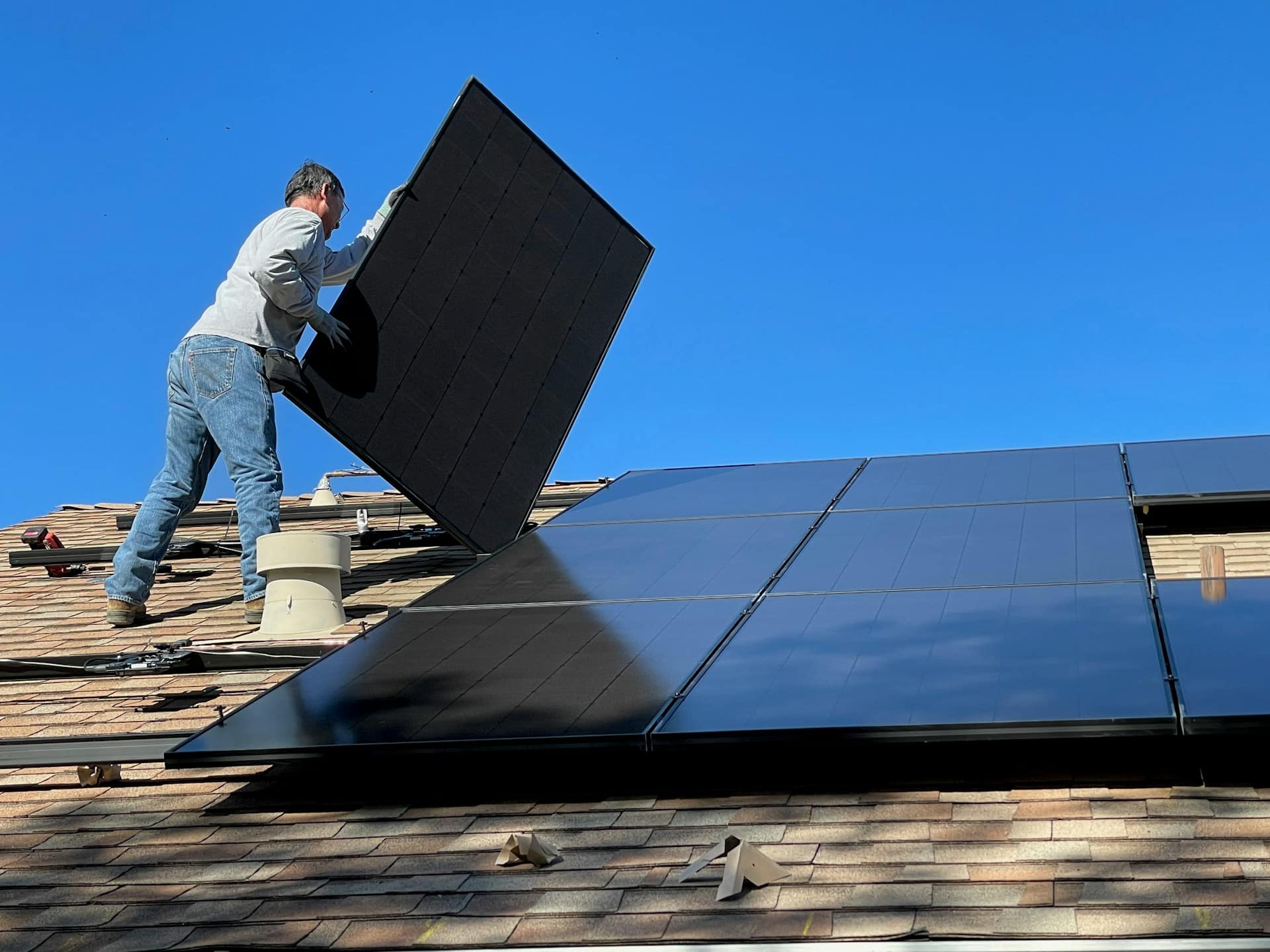
Adding solar to an older home can feel like a smart move, especially with energy prices rising and a sunny climate like Southern California’s. But before setting your sights on savings, take a look at what’s under your feet, or rather, over your head. That old roof you’ve been meaning to check might not be ready for solar just yet.
Anyone thinking about adding panels often assumes the hardest part is picking the equipment or the installer. But in reality, how solar works depends just as much on the condition of your roof as it does on the quality of the panels. If your roof is aging or wasn’t built with solar in mind, it’s worth slowing down and doing things in the right order. This time of year is perfect for that. January is quiet, the weather in much of California is still mild, and spring isn’t far off. Start now, and you’ll be ahead of the crowd once the busy season arrives.
Check the Health of Your Existing Roof
Before we even talk about panels, the roof itself deserves attention. If it’s more than 15 to 20 years old, it could be nearing the end of its useful life. Adding solar to a roof in poor shape may lead to expensive problems down the line.
Here’s what to pay attention to:
- Missing or brittle shingles can let water in once panels are mounted.
- Uneven spots might mean the decking beneath is starting to rot or sag.
- Older roofing materials like wooden shakes or clay tiles can be harder, and riskier, to work with when mounting solar hardware.
If your roof hasn’t been inspected in a while, it’s smart to bring in a professional. They can let you know if repairs or a full replacement should happen before solar installation. At Precise Home Builders, we inspect roofs for integrity and can repair or replace trouble spots ahead of new system installations.
What Happens When Panels Meet Old Roofing
Solar panels aren’t light. Once installed, they sit on your roof 24/7 in full sun, wind, and occasional rain. While panels themselves are made to last, the roof materials underneath need to hold up just as long.
Here’s what can go wrong if an aging roof supports new solar gear:
- The extra weight might put stress on weak spots in the structure, especially near edges or valleys.
- Mounting brackets require drilling into the roof, which can open the door for water leaks if the surface isn’t strong or weatherproof.
- If your roof needs replacement just a few years after installation, those panels have to come off and go back on, which means more cost and time.
We’ve seen projects that cut corners on roof prep end up with repairs that could have been avoided. It’s worth getting a clear picture of what your roof can handle before the panels arrive. Our team at Precise Home Builders coordinates with trusted solar contractors to ensure a proper installation process without risking damage to your existing roof.
How Solar Works With Roof Lifespan
Solar panels are built to last. That’s usually a good thing, unless your roof isn’t on the same timeline. Most solar systems are designed to stay put for 25 years or more. But if your current roof may only last another five or ten, there’s a mismatch that could create headaches later.
Here’s what we suggest thinking about before moving forward:
- Compare the remaining life of your current roof to how long you hope to use your solar system.
- If the roof is near the end of its usable life, tackle that first. It’s more affordable to replace or repair a roof before panels are installed than after.
- A newer roof underneath your solar setup adds peace of mind and helps the whole system work better for longer.
When done together, a quality roof and a well-installed solar system complement each other. The panels even help protect the roof from weather above, which only works if the surface beneath stays dry and solid.
Timing Your Project for Spring
Late January is a great time to start laying the groundwork for a successful spring project. Weather in Southern California is often mild enough in winter to get things moving early.
Here’s why this matters:
- Crews are often more available in the winter months, which means less waiting around to schedule inspections or prep work.
- City offices that handle permits may be quicker to respond before the seasonal flood of spring renovation requests.
- Early prep gives you a head start. If your roof does need work before going solar, you’ll have time to handle that and still target a spring installation.
By planning now, you don’t lose the momentum that can help projects move smoothly when better weather and longer days return.
What You’ll Gain by Planning Ahead
Taking the time to plan before installing solar gives you more than just peace of mind. You avoid rushed repairs, last-minute permit delays, and unexpected costs later. When your roof is set up to support solar from the start, everything else fits into place with much less stress.
When solar works in sync with your roofing and structural layout, it delivers steadier long-term value. You don’t need to revisit the same issues over and over. Each element of your setup should add to the overall performance, not take away from it. Precise Home Builders has experience with a variety of roofing types and can recommend the right upgrades to keep your solar installation working hassle-free for years to come.
Giving yourself a quieter stretch like early winter to get started means you’ll be ready when things pick up in the spring. No scrambling. No second-guessing. Just a steady move toward a project that works from top to bottom.
Whether you’re upgrading an aging roof or planning your solar setup from the ground up, understanding how each part of the process fits together is key. We’ve helped homeowners across CA prepare for successful installations, saving time and reducing stress. If you’re curious about how solar works with your existing structure, our team at Precise Home Builders is ready to walk you through the details in a straightforward way. Let’s discuss your next steps when you’re ready to move forward.
