
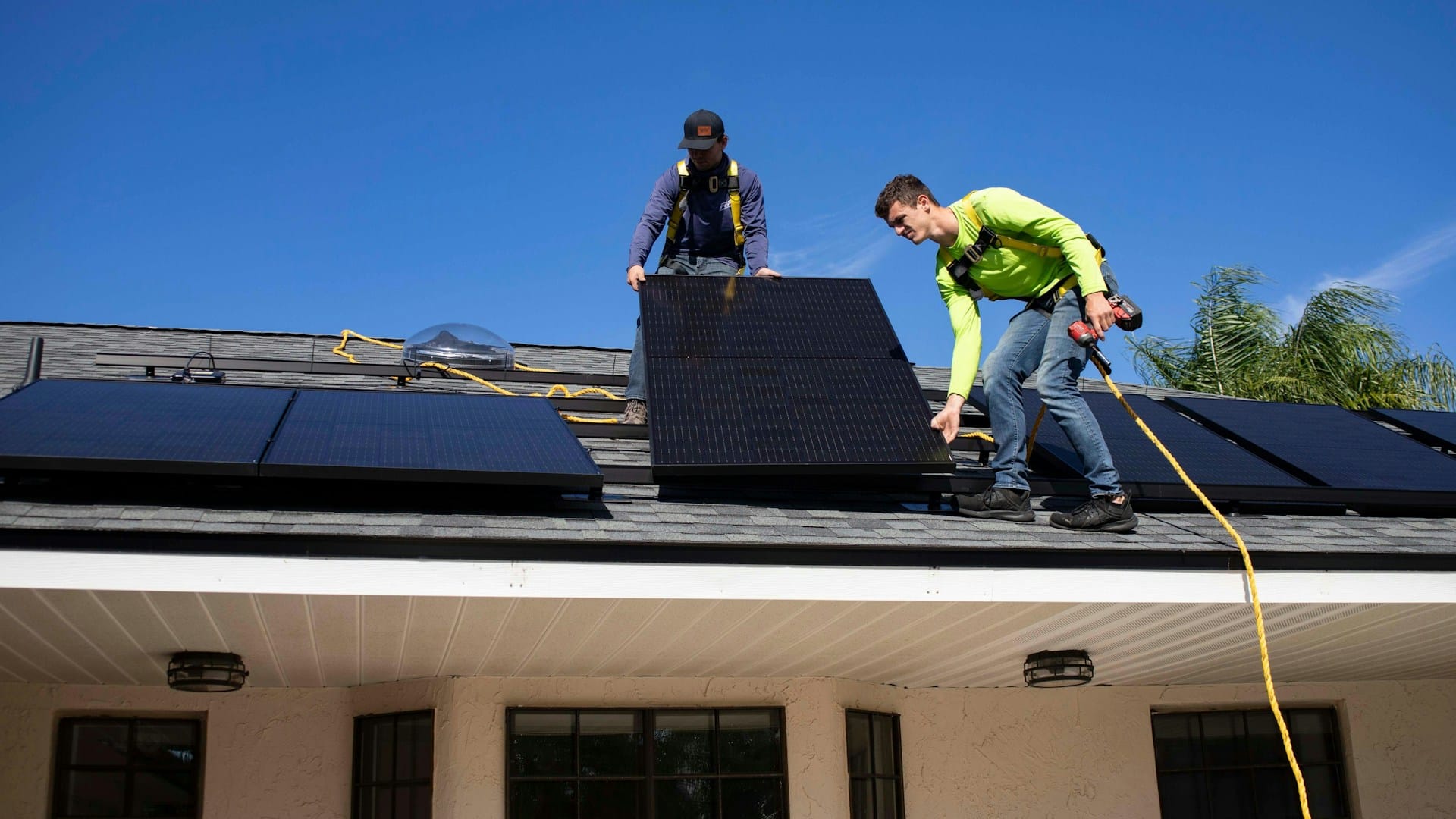
As we step into early spring, many homeowners begin weighing home upgrades that make better use of daylight. Solar panels are often at the top of that list, especially as the days start to stretch out. It makes sense, more sunlight usually means better energy return. But around areas like Los Angeles, shade can complicate things. Just living in a sunny place does not guarantee consistent solar performance.
If your yard has mature trees, tall fences, neighboring buildings, or even a complicated roofline, those shadows can limit the amount of power your panels produce. Even partial shading impacts performance. The good news is, solar works when the setup fits the conditions. With the right plan and parts, we can still make solar useful in tricky spaces.
Understanding How Shade Impacts Solar Panels
Shade does not have to cover an entire panel to affect how much energy it generates. Even one shadow crossing the corner of a panel can drag down the system’s total output. That is because many setups share current across a full string of panels, and one blocked cell can pull the others down.
Here are a few places shade often comes from in backyards:
- Taller neighboring houses or apartment buildings
- Roof shapes that cast mid-day shadows on lower levels
- Fences that block early morning or late afternoon sun
- Trees that throw moving shadows depending on the time of day
Shade shifts more than most people expect. What looks like full sun at 10 a.m. can become a shadow line by 1 p.m. And taller trees change across seasons, growing leaves in spring that were not there in winter. It is useful to track sunlight patterns throughout the day before deciding where the panels should go.
Choosing the Right Equipment for Low- or Partial-Sun Conditions
Not all solar systems handle shade the same way. What equipment you use matters more when your yard does not get consistent sunlight. There are a few ways to work around the problem with smarter technology.
- String inverters connect an entire row of panels into one circuit. If one panel gets blocked, they all slow down.
- Microinverters or optimizers work separately on each panel. This lets shaded panels operate without dragging down their neighbors.
- Some types of panels are better at absorbing light in mixed conditions and can recover faster when shade lifts.
If your space has uneven sun exposure, the extra cost for panel-level control can be worth it. These tools allow solar to keep running even during partial blockages and less predictable conditions.
Site Planning and Smart Positioning
Getting your solar panels in the best possible spot helps them work better year-round, even with some shade. The layout of the house, roof direction, and angle of tilt all matter. In a city like Los Angeles, with so many hills and tight backyards, custom planning makes a real difference.
To help partially shaded areas perform better, we often look at:
- Roofing angles and which direction panels will face
- Adjusting the tilt of each panel to catch more direct sunlight
- Positioning away from predictable shade sources, like chimneys or tall trees
- Using detached structures or ground mounts if the roof just will not work
Each yard is different, and small moves can help avoid big problems later. Getting a layout that takes seasonal sun shifts into account gives a clearer path to better performance.
Solar and Yard Maintenance Go Hand in Hand
Putting up a solar system does not end with the installation. Keeping it working well means keeping your yard tuned, too. One of the biggest reasons systems stop producing well is that shade creeps in gradually as plants grow or new backyard setups are added.
Keeping solar productive over time may involve:
- Trimming trees or thinning branches that block direct sun
- Checking each season how much shade returns as leaves fill in
- Watching out for backyard projects that add shadows, like pergolas or tall garden structures
- Reworking yard layouts when needed to get more open light
Even small changes, like widening a planting zone or moving a fence post, can help light reach the panels better.
When Solar Still Makes Sense, Even in the Shade
Not all homes need full sun to make solar worthwhile. Extra tools like batteries help store energy from the peak hours of light, then supply it when shade rolls in later. It is not all about hitting the highest numbers every day. Sometimes it is about consistency or lowering bills slowly over the long term.
Here are a few things that help solar perform in less-than-perfect sun:
- Batteries to store day energy for night and cloudy use
- Smart inverters that stabilize uneven power
- Adjustable panel layouts that target sunniest hours of the day
When we take time to plan for known limitations upfront, we usually find a setup that returns value in small, steady ways throughout the year.
Making the Most of Shaded Yards with Clear Planning
Just because a yard has shade does not mean going solar is off the table. It is mostly about matching the equipment and setup to the space you have. We have worked on plenty of projects where a little smart planning turned what looked like a difficult yard into a home with reliable solar output.
We offer complete solar installation services in the Los Angeles area, including site assessments to ensure maximum efficiency for unique yard layouts. Our team can integrate smart panels and battery storage with your existing electrical system, helping homeowners make the most of solar even when the conditions are not perfect.
Solar works well with the right approach. By paying attention to layout, equipment, and ongoing maintenance, we can make it fit more yards than most people expect. Sun will not always hit every panel perfectly, but with the right setup, it does not need to. A system that is planned for your lot’s real conditions is much more likely to last and give the returns you are counting on.
Even in a shaded yard, solar setups can still bring real value when they are planned the right way. Smart layouts, adjusted angles, and the right panels make a big difference over the course of a year. For properties in CA that get mixed sunlight, we will help figure out which system works best. To see how solar works in a setup like yours, let us talk about your goals and space. Contact Precise Home Builders to get started.
