
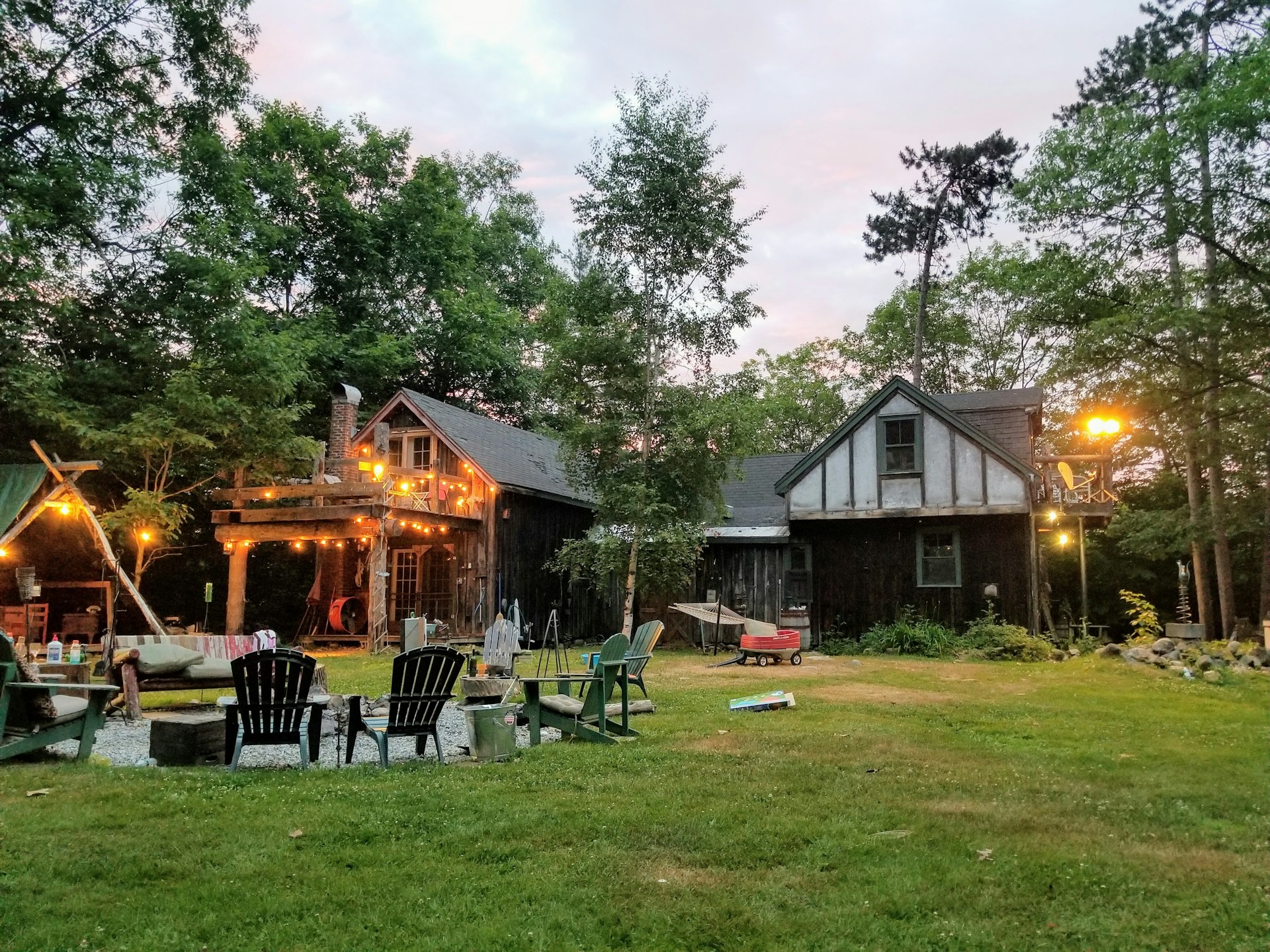
Spring in Los Angeles brings more outdoor time, garden plans, and sunny weekends, but it can be a tough season for those of us with allergies. Pollen, mold, and damp corners have a way of making backyards uncomfortable just when we want to use them most. The good news is that what gets planted, where things are placed, and how a yard is built can all play a role in how allergy-friendly that space becomes. A little planning at the start of the season can help avoid months of sneezing and itchy eyes. From hardscape choices to plant picks, the way a backyard comes together can make all the difference.
Choosing Allergy-Friendly Plants
When we think about outdoor allergies, what we grow matters just as much as how it looks. Some plants are known to be high-pollen or tend to catch and hold on to allergens in the breeze.
- Stick with native plants that are already used to the Southern California climate. They’re more likely to thrive without sending allergens into the air.
- Swap out Bermuda grass or similar varieties that often cause problems. A lot of common lawns are heavy producers of pollen and require mowing that stirs everything up.
- Avoid mulberry trees, junipers, and heavily scented flowers. These can be strong triggers, especially early in the season.
- Ground covers are a great substitute for grass in smaller areas. They spread out low, need less cutting, and don’t carry as much pollen into the air when walked on.
Rethinking what goes into the garden can cut down on those spring flare-ups and help make a more livable backyard. If you are sensitive to pollen, selecting plants with lower pollen counts and less aggressive growth can sometimes make the difference between a comfortable season and one spent indoors. Consider consulting local gardening resources or nurseries familiar with low-allergen selections that thrive in the unique Los Angeles climate.
Planning for Good Airflow and Shade
How air moves through the yard makes a difference in how allergens settle or pass through. Blocking airflow too much can trap pollen, but shaping it can guide breezes where we want them.
- Lower fences or spaced hedges can direct airflow instead of stopping it completely. Thick walls or overcrowded corners can keep pollen swirling where we sit or walk.
- Creating shade in the right places helps keep surfaces cooler and gives plants less chance to dry out unevenly. Too much sun in one patch often leads to bare, dusty soils that kick up with every breeze.
- Pergolas and other open-air covers bring shade without sealing a space shut. They let air move freely while still giving shelter.
When we think about layout, we look at how wind typically flows across a property and where people spend the most time. That helps us shape a yard that breathes better all season. Careful planning of both plant and built features can ensure that cross-breezes naturally keep air cleaner, while thoughtful shading strategies reduce heat and surface dryness. These adjustments not only create a more comfortable environment but also help keep allergen levels noticeably lower during peak pollen times.
Using Hardscape to Manage Irritation Sources
The materials beneath our feet do more than just hold furniture in place. They also decide how much dirt, dust, and spores build up, or how easily they wash off.
- Smooth pavers and well-set gravel paths help reduce loose soil and trailing dust into the air. These surfaces stay cleaner, especially under dry skies.
- Avoid using wood chips and certain mulches, which can hold moisture and develop mold when temperatures climb. Once that smell creeps in, it’s hard to ignore.
- Slip-resistant stone, concrete, or composite decking lets water drain quickly and dries clean. These surfaces are easy to hose off and less likely to hide allergens.
A comfortable outdoor space starts with safe, easy-to-maintain ground materials. These choices add both comfort and better air quality for day-to-day use. A good hardscape design integrates paths, patios, and sitting areas in such a way that everyday cleaning and maintenance become simple and effective. Not only do these surfaces keep irritation sources down, but they also help make the space more functional and enjoyable for everyone, regardless of the weather.
Controlling Water and Moisture Build-Up
Spring can bring light rain and new growth, but too much water collecting around a yard can bring mold, mildew, and a hard time breathing.
- Checking yard drainage in early spring catches problems before the soil stays soggy for weeks. Puddles around planter beds, storage sheds, or walls can feed mold into the air.
- Drip irrigation is a smart way to water plants without spraying pollen or soaking walkways. It sends water slowly to the roots and leaves everything else dry.
- Covered bins, shelves, and tool storage keep gear dust-free and ready to use. It only takes a few days of moisture on chairs or tools for mold to show up.
By managing where water goes and how long it stays, we help our backyards stay clear of triggers and easier to enjoy all season. Taking the time early in the season to observe drainage patterns during the first rains can save significant effort and discomfort later. In addition, selecting materials for furniture and storage that are less likely to accumulate dampness or support mold growth is a thoughtful touch, especially for those with a known sensitivity.
Creating Outdoor Spaces You Can Breathe In
Making smart changes to the way a yard is laid out or landscaped can go a long way toward keeping allergies in check. From early spring through the warm months ahead, we can guide our clients on ways to plant smarter, shape airflow, and avoid moisture build-up. None of it has to mean giving up beauty or comfort, just approaching the space with a few fresh ideas.
In Southern California, many backyards carry signs of older layouts or plant choices that used to work but now make allergy seasons harder. Now’s a good time to reshape those outdoor spaces for how we actually live today. A backyard should feel like a break, not a trigger. Thoughtful choices now can build a yard that brings comfort, not sneezes, all spring long. Making even a few changes, like switching out key plants or opening up a sitting area to cross-breezes, can immediately improve your comfort and make your backyard feel like a true retreat. Each of these steps adds value, preventing future allergy flare-ups, and makes it easier for everyone to relax and enjoy their outdoor living areas as temperatures rise.
Spring allergies don’t have to keep you indoors, our team can help transform your yard into a more comfortable retreat. By making thoughtful changes to your layout, choosing smart planting strategies, and improving airflow, you’ll notice a real difference in how you enjoy your space. With years of experience designing relaxed, low-irritation backyards across CA, Precise Home Builders is ready to create an outdoor area that’s easier on seasonal allergies. Let’s schedule a conversation about making your outdoor living space healthier and more enjoyable.
