
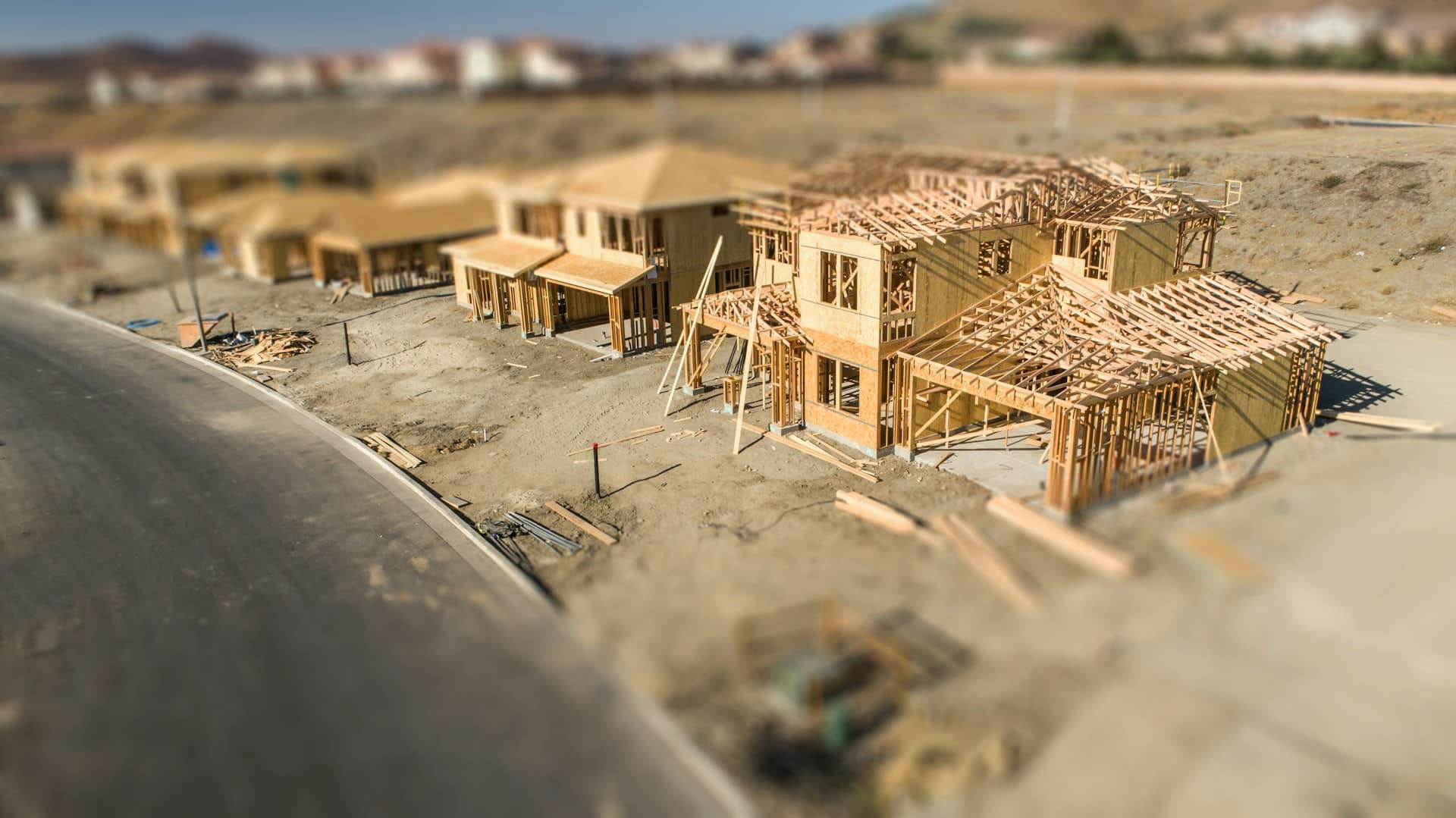
Open floor plans have had a solid run in recent years. With kitchens, dining areas, and living rooms blending into one big space, it’s easy to see the appeal. These layouts feel open and airy, and they make hosting friends or keeping an eye on kids a little easier. But not everyone wants everything in plain sight all the time.
Some homeowners building custom homes are steering away from the open concept. Instead of one large, connected space, they’re choosing layouts with more defined rooms and better separation. The reasons for this shift vary, but they often come down to the way people actually live day to day. Privacy, comfort, and routine matter just as much as aesthetics. For those building in California this spring, it’s something worth thinking through
Privacy and Noise Control
One of the main reasons we see people move away from open layouts is privacy. Life gets loud, and quiet corners are hard to come by in a house without barriers. When everyone’s in one big space, there’s nowhere to take a private call, hold a meeting, or relax without background noise.
Separate rooms help solve that. With doors and walls, you can turn down the volume and get some breathing room. This matters even more in homes with multiple generations under one roof. Maybe grandparents want a quiet den, while kids need space to play. Or someone in the house works remotely and can’t focus with clanging pots and pans in the backdrop.
A few reasons defined spaces make sense for sound and privacy:
- Bedrooms are quieter when they don’t open into the main living space
- Home offices work better when they’re away from the action
- Shared spaces like kitchens or TV rooms can be closed off when needed
Not everyone wants that free-flow setup. Sometimes, having personal space just makes a day run smoother.
Heating, Cooling, and Light Management
Big, open spaces look great, but they can be harder to heat and cool. In California, where spring can flip between warm days and cooler nights, managing indoor temperature isn’t always straightforward. Traditional layouts let homeowners treat each space separately, turning down the heat in an unused room or closing curtains where the sun hits hardest.
Divided layouts also help control how natural light moves through the house. An open plan might let in more light at once, but it can also bring in blinding glare or uneven brightness. With more rooms and walls, it’s easier to shape how and where light enters.
Here’s how more defined spaces help in this area:
Rooms with doors can be closed to keep heat or cool air in place
- Lighting stays consistent and easier to adjust for work, sleep, or relaxation
- Spaces don’t overheat from too much sunlight pouring in at once
Modern homes keep sustainability in mind, and layout plays a role in how energy efficient a house can be from season to season.
Style and Furnishing Flexibility
Decorating an open floor plan takes a lot of coordination. Colors, textures, and furniture choices need to work well together in one sweeping space. That’s great for some, but others want more freedom and variety in how each space feels.
Separate rooms offer a chance to try different design ideas without worrying about the next area matching perfectly. A home office can feel professional without clashing with a laid back living room. A formal dining room can carry a different tone than a family friendly kitchen off to the side.
More walls often mean more control.
- Different rooms can carry different themes or color palettes
- Shelving, lighting, and furniture can be chosen for room-specific use
- Décor doesn’t have to fit into just one big, shared style
This doesn’t mean traditional is boring. It just gives homeowners space to be creative without the pressure of everything tying together all the time.
Lifestyle and Daily Function
No two households work the same way. How people use their space can be a big part of what kind of layout makes the most sense. That’s where separated rooms really shine.
Take kitchens, for example. Not everyone wants their cooking space wide open. Smells travel fast without walls. So does sound. Some people just prefer not seeing dishes piling up when they’re trying to relax after dinner. A closed kitchen lets them shut the door and deal with cleanup later.
Here are other practical reasons homeowners prefer more room division:
- Dedicated playrooms help separate kids’ messes from adult spaces
- Quiet rooms offer better focus for students or remote workers
- Formal spaces like dining rooms or libraries get used for their real purpose
We know from our custom homes page that each build we do is based on a client-approved design to match daily routines and lifestyle needs, so these choices have a real impact from the start. A home that fits the way you actually live beats a layout that only looks good on paper.
When Open Concepts Still Work
Not everyone is walking away from the open floor plan. In smaller footprints, open designs can help rooms feel bigger and brighter. If you like to cook while chatting with guests or kids, the connected feel can be a smart fit.
But there are ways to strike a balance without going fully open. Half walls, larger doorways, and pass-through openings can create a sense of flow while still giving each space some shape. That way, you still get some division without walls cutting off sightlines or light.
Some ways we’ve seen this balance work well:
- Kitchens with wide walkways into dining rooms but still defined boundaries
- Partial walls between living and dining areas for soft division
- Raised counters or islands that give a visual break between zones
It’s not about choosing sides. It’s about understanding what fits the way a household moves through the day.
What Sets Our Approach Apart
The flexibility to choose between open or traditional layouts is built right into our process. As shared on our website, all our custom homes in the greater Los Angeles area are fully licensed, engineered, and permitted before construction begins. We offer complete design services, guiding clients from concept to final build, so every room or open area is purpose-built for comfort and function.
Spring planning means we can start early with design workshops and make the best use of mild weather for site work and foundation. Being local to Southern California allows us to work within city regulations and keep builds on schedule as the seasons change.
Build for Real Life
Creating a house that truly fits comes from paying attention to how space is used, not just how it looks. Whether that means open rooms, closed ones, or a mix of both, the most lasting builds are the ones shaped by the way people actually live.
Planning a new layout this spring means making sure every space is designed for the way you truly live. Whether you want open shared zones, defined room boundaries, or something in between, we build around your needs. Our work on custom homes throughout California emphasizes flexibility and comfort. At Precise Home Builders, we create spaces with real life in mind. Give us a call to start building a layout that works for you.
