
Stop Missing Out on Smarter Solar-Ready Remodels
Many Los Angeles homeowners remodel a kitchen, redo a roof, or build an addition, then start looking into solar a few months later. That is when they find out the new rooflines, vents, or electrical work made solar panel installation in Los Angeles harder than it needed to be. Extra brackets, structural fixes, and electrical changes can all pile on, just because solar was not part of the early design conversation.
A solar-ready remodel simply means you plan your home updates so adding solar later is simple, clean, and cost-effective. It is not just saying, “We will add solar someday.” It means thinking ahead about roof shape, shade, structural support, electrical capacity, and spots for future batteries and EV chargers. For Los Angeles homeowners dealing with high energy use, long sunny days, and more electric cars, this kind of planning matters a lot.
A solar-ready approach fits naturally with design-build remodeling. When architecture, structural engineering, and construction work together from the start, you avoid clashes between good design and good solar performance. Everything is coordinated so your space looks the way you want while still leaving smart options for a future system.
Hidden Roof and Structural Mistakes That Kill Solar Potential
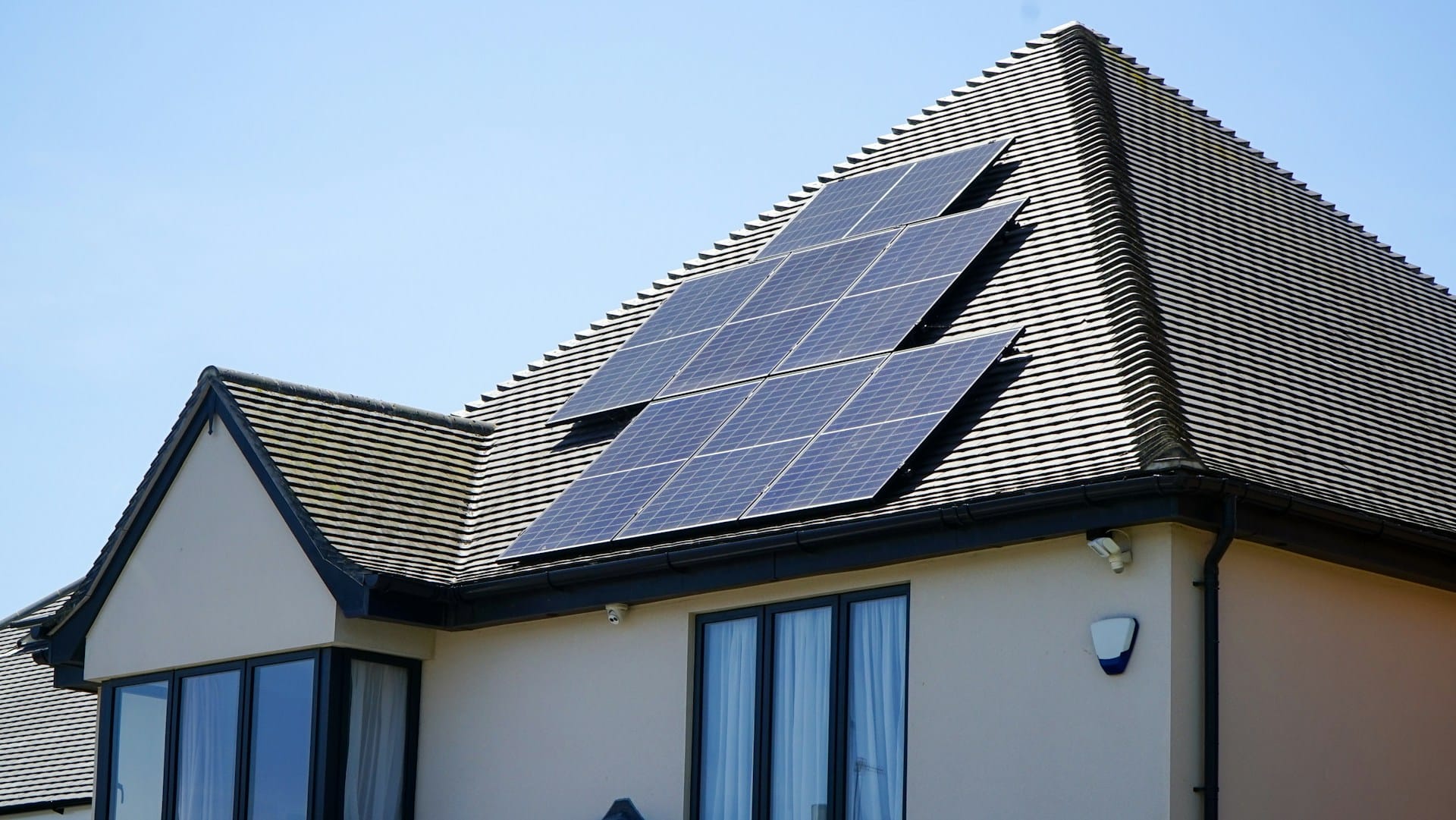
The roof is prime real estate for solar, but many remodels use that space in ways that cause problems later. That often happens because the roof is designed only for looks, not for how the sun actually hits it during May through September in Los Angeles.
Common roof design mistakes include:
- Complicated rooflines with lots of hips, valleys, and dormers that break up large flat areas
- Vents, skylights, chimneys, and flues placed right in the middle of the best south or west facing zones
- Roof pitches that look nice from the street but do not match how the sun tracks across your property
When we plan a roof, we want at least one or two broad, uncluttered planes that line up well with the midday and afternoon sun. Even if you are not installing panels yet, this gives you strong options later without major redesign.
Structural planning matters too. Many older homes were not framed with the added weight of solar in mind. During a remodel or roof replacement, it is smart to:
- Check rafter and truss capacity while everything is open
- Add reinforcement or blocking where future rails and mounts are likely to go
- Upgrade connectors and hardware so the structure is ready for long-term loads
Roofing materials are another big piece. Solar panels usually last far longer than many basic roofing products. If you put new panels on a roof that will age out sooner, you may have to remove and reinstall the system just to fix the roof underneath. Aligning the roof type and timing with your solar plans helps avoid doing the same work twice.
Electrical and Battery Prep Most Remodels Overlook
Inside the walls, electrical planning can either make future solar simple or frustrating. Many Los Angeles homes still have older 100 amp panels that are already close to full. Add an EV charger, new AC, or a planned solar system, and you quickly run into limits.
When you are already opening walls or upgrading service, it often makes sense to:
- Upgrade the main electrical panel to support future loads
- Reserve dedicated breaker space for a future solar system and battery
- Run conduit from likely solar areas on the roof to the panel or garage
Future-ready wiring is not about guessing exact equipment. It is about setting clear, code compliant paths so your installer is not fishing lines through finished spaces later. Thoughtful planning also includes picking good locations for future inverters, combiner boxes, and batteries. Garages, side yards, and utility rooms are common choices, as long as access, ventilation, and clearance are considered.
Backup power and EV charging should also be part of the remodel conversation. A future solar-plus-battery system works best when:
- Critical loads like refrigeration, home office outlets, Wi-Fi, some lights, and key HVAC zones can be moved to a subpanel
- Parking and driveway layouts make it easy to place EV chargers close to where cars actually sit
- Exterior outlets and conduit are planned so you avoid exposed raceways and cords crossing walkways
With this kind of planning, adding solar later becomes an organized install, not a messy game of catch-up.
Design Choices That Quietly Sabotage Solar Performance
Many design decisions that seem unrelated to solar can quietly lower your future energy production. Shade is one of the biggest surprises for homeowners. You might add a second-story room, a tall privacy hedge, or a deep pergola for outdoor comfort, then find out that those features block the exact roof area that would have given you the best solar yield.
It helps to look at:
- How the sun moves across your property from morning to late afternoon
- Shadows from new walls, trellises, chimneys, and raised roofs
- Landscaping plans, especially tall trees near south and west roof faces
HVAC and pool equipment locations matter too. AC condensers, pool heaters, and plumbing runs can push vents and exhausts into prime solar zones. During design, we aim to cluster mechanicals in spots that are convenient for service but outside the areas where panels will likely sit. We also think through how big energy users like AC and pool pumps might line up with the size of a future system so your peak summer bills are easier to manage.
Appearance and neighborhood expectations are another layer. Some homeowners prefer panels to be less visible from the street. That might mean planning more solar on the back roof and keeping the front roof simple and clean. Roof color and materials can affect heat buildup, which in turn influences how hard your AC works. Light, reflective roofs can help with comfort and can support better overall system performance across hot months.
Permits, Incentives, and LA Rules Few Homeowners Track
Local rules and permitting shape where and how solar can be installed on a home. Roof access paths, fire setbacks, and spacing for maintenance can all limit the exact layout of a system. If these rules are not considered while you are designing a remodel, you may later discover you do not have enough clear space in the right locations.
Handling code, clearances, and structural details during the remodel phase gives you more control. You can adjust layouts, roof widths, and equipment placement before anything is built, instead of trying to work around fixed obstacles later.
Timing around incentives and utility programs matters too. Good programs often have limited windows or capacity. If your home is already wired and structurally ready, you can move quickly when the right offer appears rather than waiting on construction work.
For properties with ADUs, room additions, or converted garages, planning across the whole site is key. A single well-designed solar plan can often:
- Serve both the main home and ADU more simply than separate systems
- Feed shared loads like laundry, common lighting, and outdoor areas
- Keep equipment placement tidy, without panels and boxes scattered in random spots
Thinking at the property level rather than one structure at a time usually leads to a cleaner look and better use of your sunniest areas.
Turn Your Next Remodel Into a Solar-Ready Investment
When solar is an afterthought, homeowners often pay in other ways. They deal with panel layouts that are less than ideal, extra structural fixes after finishes are in place, or electrical upgrades that could have been handled more easily during the remodel. All of this can eat into the long term value you hoped to get from solar panel installation in Los Angeles.
Aligning your remodel, additions, ADUs, and outdoor projects with a clear energy plan turns the whole property into a smarter system over time. Thinking ahead about roofs, structure, electrical work, shade, and future batteries keeps your options open. That way, when you are ready to add solar, you are not starting from scratch, you are simply putting the last pieces into a plan your home was already built to support.
Get Started With Your Project Today
If you are ready to cut energy costs and make your home more efficient, our team at Precise Home Builders is here to help you plan and complete your solar panel installation in Los Angeles. We will walk you through your options, answer your questions, and design a solar solution tailored to your property and budget. To schedule a consultation or request a detailed quote, simply contact us and we will follow up promptly.
