
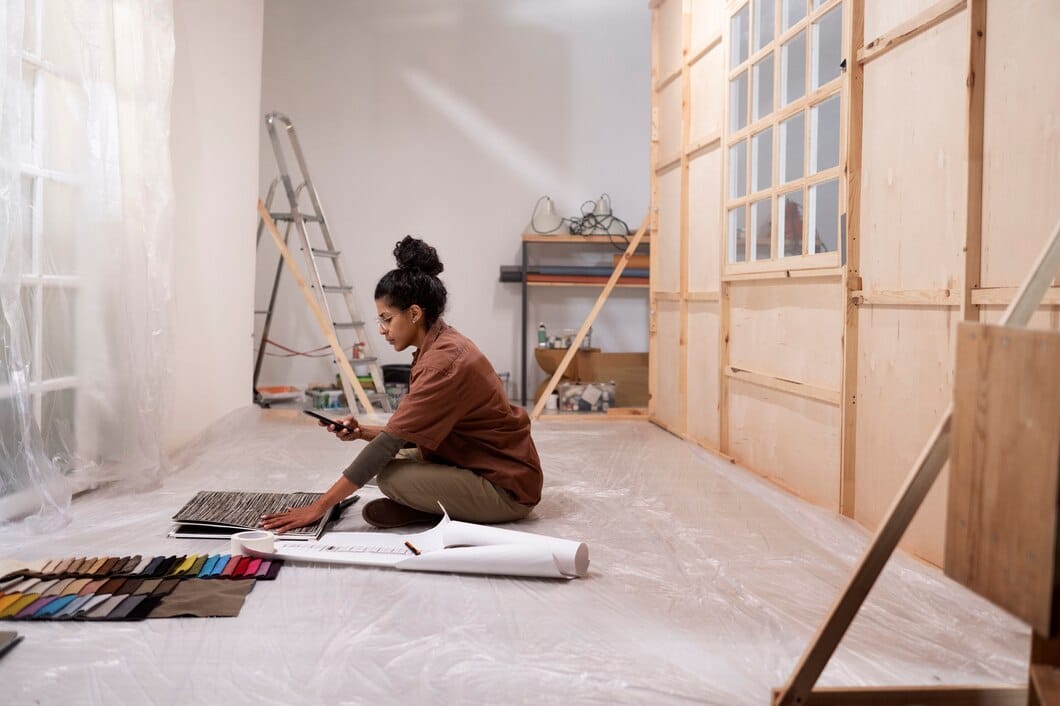
Older homes in Los Angeles often come with their own unique personality. From the woodwork to the layout, these homes carry character that people grow attached to. But over time, the way we live can start to outgrow the space we have. That’s when a room addition starts to sound like the right move. Adding more square footage doesn’t mean giving up the original charm, it just means figuring out how to do it thoughtfully.
With the late winter moving into early spring, it’s a good time to start planning while the weather begins to clear up. Whether it’s a growing family or the need for a space that supports new routines, we’ve seen how strategic room additions can make an old home feel fresh without losing its roots. Let’s break down the styles and ideas that actually work when you’re trying to preserve the look and feel of an older house.
Maintaining Architectural Flow
When adding to an older home, the number one goal is to make the new piece feel like it was always there. If the addition sticks out visually, it can pull attention from what made the home special in the first place. So we focus on keeping things consistent from the outside in.
- Matching the roofline is a big part of that. Steep gables, overhangs, or flat roofs all leave a strong first impression. If the new space has a different silhouette, it looks off balance.
- Exterior materials are just as important. That could mean replicating original stucco finishes, wood siding, or brick patterns. Little details like how corners are trimmed or where materials meet go a long way in blending old and new.
- Even door and window choices matter. If your original home has arched windows or divided panes, switching to modern frames with a different shape or size can create an obvious mismatch.
We also think about scale. The height and footprint of the addition should line up with the rest of the house so nothing feels oversized or too small. This is one of those cases where quiet design wins out over bold statements.
Room Types That Work Well
Some types of rooms fit older homes more naturally than others. It comes down to purpose and layout. We’ve found that smaller, cozy additions tend to feel more natural, especially when they line up with how the rest of the home is put together.
Sunrooms and reading nooks work especially well. These can be added off the back or side of the house and feel like a natural retreat without changing the flow. Craftsman and Spanish Revival styles both support these kinds of quiet escape spaces.
- Adding a guest room or extra bedroom often feels like a safe choice too. If it’s placed carefully, maybe off a hallway or near an existing bedroom, it won’t disrupt how people move through the space.
- Many people want a home office or work area now. These can be added as bump-outs in low-traffic areas, where they stay useful without drawing too much attention.
The key is thinking about placement. Where additions connect can affect how they feel. Tucked-in rooms or those that sit behind the main structure usually blend in more easily.
Interior Design That Matches the Past
Once the outside matches, the inside has to follow. That means thinking about style pieces beyond the walls and floor layout. We pay close attention to finish materials and design elements that give older homes their warmth and texture.
- Trim and molding styles should match what’s already inside. If your original rooms have thick wood baseboards or decorative crown moldings, it’s worth continuing that style in the new space.
- Flooring choices often make or break the mood. Older homes in CA often have oak or pine flooring, sometimes with rich stains or a slightly worn-in look. Installing new floors that mirror those colors and widths can help the addition feel connected.
- Paint matters too. Softer whites, warm neutrals, or muted earth tones usually go better with aged architecture than sharp, modern tones.
When it comes to modern needs like outlets, lighting, or built-ins, we try to hide them as much as possible. Using flush lighting, low-profile outlets, or tucking tech behind furniture helps. That way, the room supports today’s needs without standing out.
Permitting and Neighborhood Considerations in Los Angeles
Building in Los Angeles isn’t just about good design, it requires getting familiar with city requirements. Depending on where your home is located, you might run into rules tied to local history or neighborhood character.
- Some areas have conservation or historic overlays. That means additions are reviewed more carefully and must follow stricter design guidelines. These reviews look at scale, materials, and how new construction interacts with the street.
- Permit rules can vary across zones. Heights, setbacks, and square footage limits may apply, especially for older homes that were grandfathered in under old codes.
- Seasonal timing matters, too. Starting a build process in late winter gives you a head start before early spring demand hits. It can also help avoid the summer rush, when inspections and scheduling tend to slow down.
We plan fast but carefully, knowing that cutting corners early can lead to slowdowns later.
What to Expect From the Build Process
Adding space to an older home means being prepared for a few more steps than you might expect with newer construction. We’ve learned to think ahead so everything fits smoothly.
- It starts with clear planning. Older homes are easy to throw off balance, so from the very beginning we map out how the new space connects, fits, and looks with everything else.
- Site access can be tricky in smaller neighborhoods. Tight driveways, narrow lots, or street parking rules can all mess with equipment deliveries. It’s good to know that in advance to keep timelines from stretching unexpectedly.
- Lead times for things like wood trim, window styles, or matching paint may be longer. And while winters in Southern California don’t bring heavy snow, wet days can still slow progress.
The goal is always for the room addition to look like it belongs. That only happens when time is spent planning every step with care, no shortcuts.
Keeping the Old Feel While Adding Something New
It takes practice and patience to make a new space feel like it’s been part of the home since day one. The good news is that older homes are often more flexible than people think. With the right layout, materials, and design choices, a room can be added without anyone guessing it was a recent change.
When we keep character in focus, the result is more than just extra square footage. It’s a space that adds everyday comfort while staying true to what the home has always offered. And in a place like Los Angeles, where history and style matter to so many homeowners, that kind of thoughtful approach goes a long way.
Looking to add functional space without sacrificing your home’s original charm? A well-planned room addition can seamlessly connect old and new, whether you need an extra bedroom, a sunroom, or a comfortable workspace. We’ve helped homeowners in CA make thoughtful improvements that truly feel like they belong. Our team at Precise Home Builders focuses on matching your home’s character while enhancing its everyday functionality. Let’s discuss your vision and explore how we can create the right space with details that matter most to you.
