
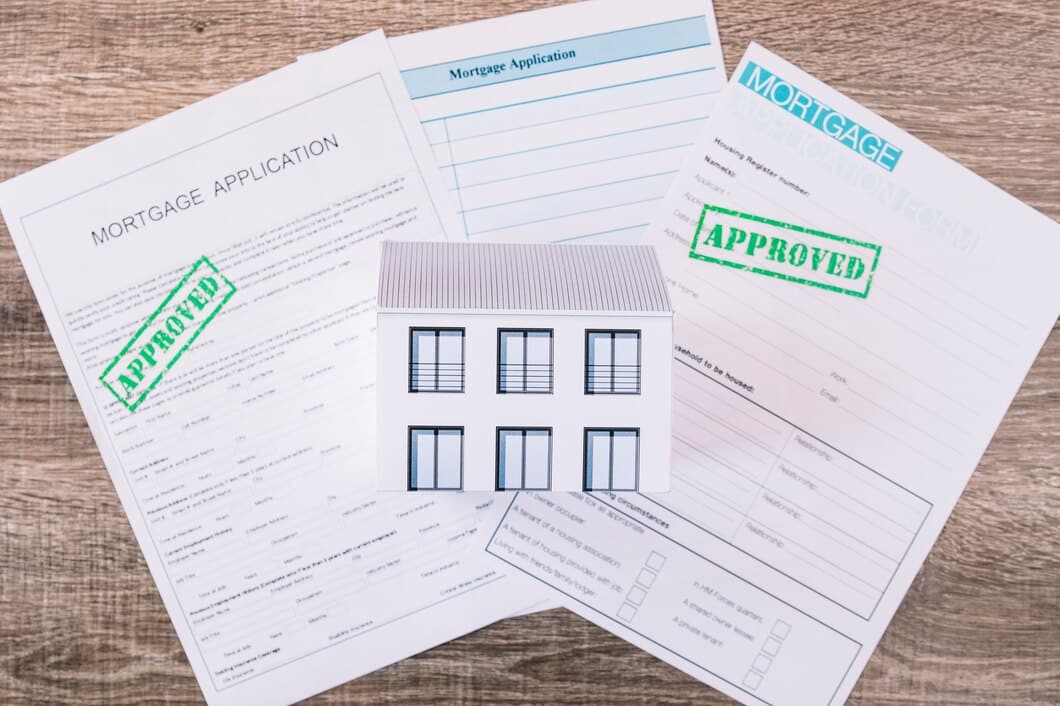
Building custom homes in CA can feel exciting, but there’s paperwork involved before any ground gets broken. One of the first big steps is getting your permits in order. It sounds simple, but the process can take some time and planning, especially with local rules adjusting every year.
For homeowners planning ahead in 2026, it helps to know what to expect. Spring construction season will be here before long, and permits play a big role in how smoothly things move. Understanding the process now can prevent delays later, especially if you’re building in a city like Los Angeles where specific location rules often apply.
Getting Started With Permit Planning
Before you even sketch out your floorplan or think about materials, the first step is figuring out what permits you’ll need. The earlier you start that conversation, the better.
- Start by checking in with your local city department. In Los Angeles, for example, different neighborhoods have unique requirements. Some lots might need one kind of sign-off, while others may need five.
- Where your property is located, how big your house will be, and whether there’s an existing structure on the lot can all change the permit requirements.
- Make sure communication with the building department happens early. Waiting too long to ask questions often leads to surprise hold-ups later.
It’s a good idea to gather maps of your lot, basic layout ideas, and any notes you might already have about your vision. The clearer your plan is up front, the quicker you’ll get answers about permits and what’s next.
Common Types of Permits for Custom Homes
Different projects need different permits, but for custom homes there are a few that almost always come up. These often include:
- Zoning permits to make sure the type of structure fits the area
- Grading permits if the land needs to be leveled or reshaped
- Utility permits for water, gas, power, and sewer hookups
- Standard building permits that allow the structure to be built
Extra or special case permits are sometimes needed too, especially in CA. Hillside properties might require slope studies or structural reports. If there are large trees on your lot, you might also run into tree removal rules. On-site soil conditions can trigger a need for soil reports or foundation reviews, especially on older lots or ones near fault zones.
Understanding what applies to your spot helps prevent permit rejections that slow down construction or raise costs.
2026 Changes to Watch For
Laws and systems keep changing, and 2026 is already shaping up to include a few updates. You’ll want to keep an eye out for these:
- Updates to city energy codes may ask for higher insulation levels or special window ratings in new homes
- Design guidelines may adjust again for neighborhood character, especially in older parts of Los Angeles
- Digital permitting platforms are expected to expand, with most submissions moving online instead of in person
These updates are meant to make things smoother over time, but during the transition, they can bring delays or confusion. It’s smart to double-check the permit office’s website for platform changes or new documentation rules before submitting.
By late winter, offices get busier as more homeowners try to get ahead of spring construction timelines. Starting conversations in February gives you a better chance of avoiding long waits.
How Location Impacts Approval
Not all areas in Los Angeles follow the same guidelines. Where your custom home is located can change the approval process in several ways.
- If you’re building in a designated historic zone, you’ll likely need approval on exterior styles, heights, and materials. These layers can take time.
- Hillside zones bring stricter rules for grading, foundation plans, and support systems. Extra inspections may be required for safety.
- LA County handles certain permits that differ from those in the City of Los Angeles. Knowing which office oversees your lot is key.
Spring is a popular time for permit submission, so expect review teams to be backed up. Prep work like having all documents ready ahead of time can help avoid multiple rounds of back-and-forth, especially when schedules fill up post-winter.
What to Prepare Before Submitting
Being ready before you hit the submit button makes a big difference. Most plan checks ask for a full package that lets them see the whole picture from day one. Items should usually include:
- Scaled floorplans and elevation drawings
- Site plans that show property lines, building footprints, and street connections
- Structural blueprints, if your house has unique layouts, spans, or hillside anchors
- Energy calculations, when required
- Survey records if your property borders protected land or if measurements are tight
Timing matters here. If you need demo work before building, that involves a separate permit with its own approvals. Same for utility trenching, sewer connections, or new driveways. Keeping inspections and city feedback on track depends on having your project calendar synced up with permit return times.
Late submissions or missing pieces are common delays that can set a construction start date back weeks. Printing requirements and city-specific file formats also trip up homeowners trying to get through their first build.
When you organize everything in advance, it builds confidence when submitting paperwork. Clear and complete projects move faster through city systems because reviewers can quickly see what the build involves.
Staying on Track Through the Permit Process
The permit process for custom homes doesn’t need to be overwhelming. It’s usually just about staying clear, focused, and a few steps ahead.
Getting familiar with your neighborhood’s rules, having your documents ready, and starting early in the year puts you in a better place to move into building by spring or summer. When delays pop up, it helps to already have a cushion built into your schedule.
It can help to check in on your permit status regularly. Some city platforms have online updates that track file progress or tell you if extra information is needed. Taking quick action when asked to update documents or clarify details helps keep your spot in line.
With enough planning and patience, permits become just one part of the process. Once they’re in place, it’s easier to focus on the exciting parts, watching your dream home begin to take shape.
Getting permits in place early makes a big difference, especially when you’re building something from the ground up. We’ve spent years helping homeowners in CA navigate shifting rules, neighborhood-specific requirements, and the back-and-forth that comes with planning ahead. Taking time now to line up the right documents, surveys, and approvals puts your project on a smoother path once construction begins. Ready to take the next step toward building one of our custom homes? Precise Home Builders is here to guide you through it, give us a call and let’s start planning your perfect space.
