
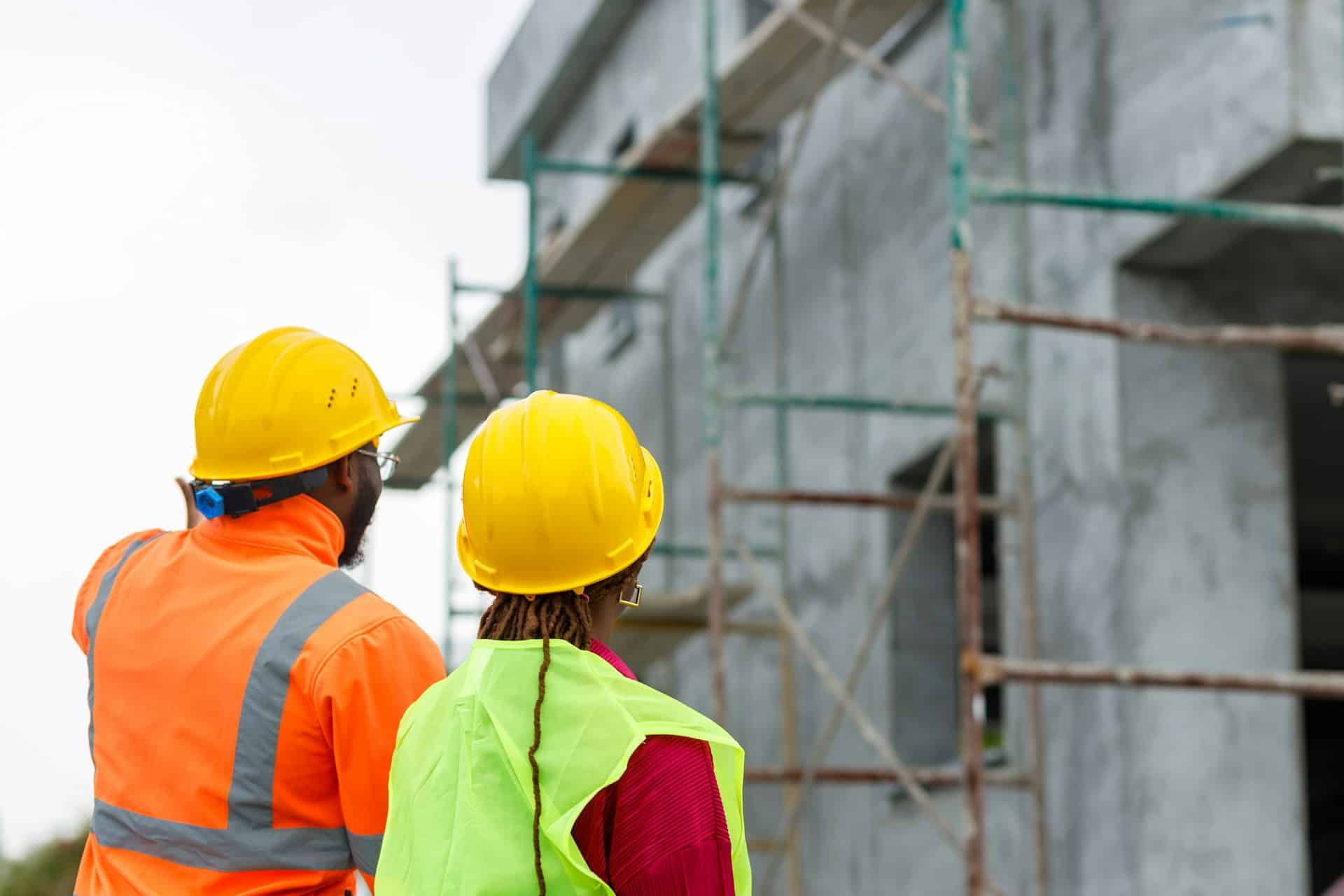
When it comes to new construction, seeing the framing go up can feel like a big turning point. The walls are in place, the basic shape of the home is right there in front of you, and it finally looks like a house. But right after this moment, progress often slows down. That can leave homeowners wondering what’s really going on.
The truth is, several steps follow framing that need careful coordination, inspection, and sometimes just a bit of patience. In California, this part of spring brings shifting weather patterns and growing demand for local construction services, which means small issues can snowball into longer setbacks. Knowing what typically causes these delays can make this part of the process a little easier.
Weather and Seasonal Shifts
California doesn’t see a harsh winter like some parts of the country, but spring still brings its share of surprises. Rainy March mornings or gusty afternoons can put work on pause. That’s especially true for any jobs that still involve exposed areas, roofing, window installs, or exterior sheathing.
Wet conditions don’t just slow workers down. Materials like wood and insulation sometimes need time to dry or adjust before moving forward. We don’t want to trap moisture in areas that should stay dry long term, and that kind of wait can’t be skipped.
Even inspections can be bumped when weather affects wider parts of the schedule. A string of windy or wet days might mean inspection crews fall behind across multiple job sites. While the sun might be shining again today, the backlog from days before can hold things up.
Inspection Delays and Scheduling Conflicts
After framing, progress depends on completing a series of inspections. The structure, rough plumbing, rough electrical, and more all need the green light before closing up the walls and moving to the next stage.
In busy construction seasons like early spring, local inspectors often find their calendars overloaded. Just one delayed appointment can mean pushing out other parts of the build by days or even a week.
When that happens, subcontractors often have to adjust as well. A drywall crew might have been scheduled for the upcoming Monday, but if inspections don’t finish by then, they’ll likely take another job and circle back when available. These types of reschedules can create a domino effect, especially if multiple trades are lined up in sequence.
Utility and Service Hookups
Even when inspections go as planned, service installations introduce their own set of timing hurdles. Plumbing, electrical systems, and HVAC rough-ins all need to be installed and working before you can start sealing things up.
Sometimes crews are booked out for weeks, especially if they’re juggling other projects around Los Angeles. Other times, everything’s ready but the city hasn’t signed off on approvals or a utility provider is behind on connecting gas, water, or electric.
This stretch of time may not look busy from the outside, but there’s often plenty happening in the background. Permits are being processed, wiring and ductwork are waiting their turn, and people are coordinating inspections that make all these steps possible.
Change Orders and Late Design Decisions
It’s not unusual for homeowners to change their minds after seeing the frame. Maybe a window looks smaller than expected. Maybe a doorway would feel better shifted over by a foot. These might seem like simple swaps, but they often require more than just a quick tweak.
Adjusting framing could mean tearing down part of what’s already built. It might trigger another inspection, or push back electrical work that can’t go in until the layout is final again. Even choosing cabinet sizes or adjusting a wall can ripple into plumbing and outlet placements.
Every change has to work through planning, build, approval, and scheduling. When those updates come after framing, expect a few extra days, or more, added to the timeline.
Material Backlogs and Delivery Lags
Supplies don’t always show up when expected, especially during busy seasons. That’s something we often run into around March and April when spring construction picks up around Los Angeles.
Items like custom windows, specialty insulation, or certain types of wiring can get caught in shipping delays. If the wrong part comes in, the right one might take even longer to arrive. Crew teams may be ready to install, but they can’t move forward until all materials are on site.
We try to plan for lead times, but supply chains don’t always follow the calendar. Even something as simple as a missing vent fan can hold up ceiling closures or lighting installs. Once deliveries arrive, work can pick up again, but until then, there’s usually some waiting built in.
When Progress Slows but Work Still Counts
At this point in the build, delays can feel like nothing’s moving. But even during those quiet days after framing, lots of important prep is still happening. Permit paperwork, inspection scheduling, supply tracking, and contractor coordination are all in motion.
Here are a few common reasons new construction slows down after framing:
- Weather delays from spring storms or high winds
- Backed-up inspections from local scheduling limits
- Service crews arriving later due to high demand
- Homeowner changes needing rework and approval
- Material orders running behind on delivery trucks
Knowing these are normal steps in the path can ease some of the stress that comes with the waiting. It gives everyone involved a chance to line things up properly, solve small issues before they grow, and keep the project moving in the right direction, just not always at top speed. When work picks back up, it does so with more accuracy and fewer surprises ahead.
Running into slowdowns or delays can happen during any project, but working with builders who keep momentum going, especially through unpredictable phases, makes all the difference. We have handled all the common setbacks that occur after framing and know how to anticipate the next steps. From inspections to scheduling, our team stays focused on advancing each part of your project. To see how we plan and manage every stage of new construction, contact Precise Home Builders.
