
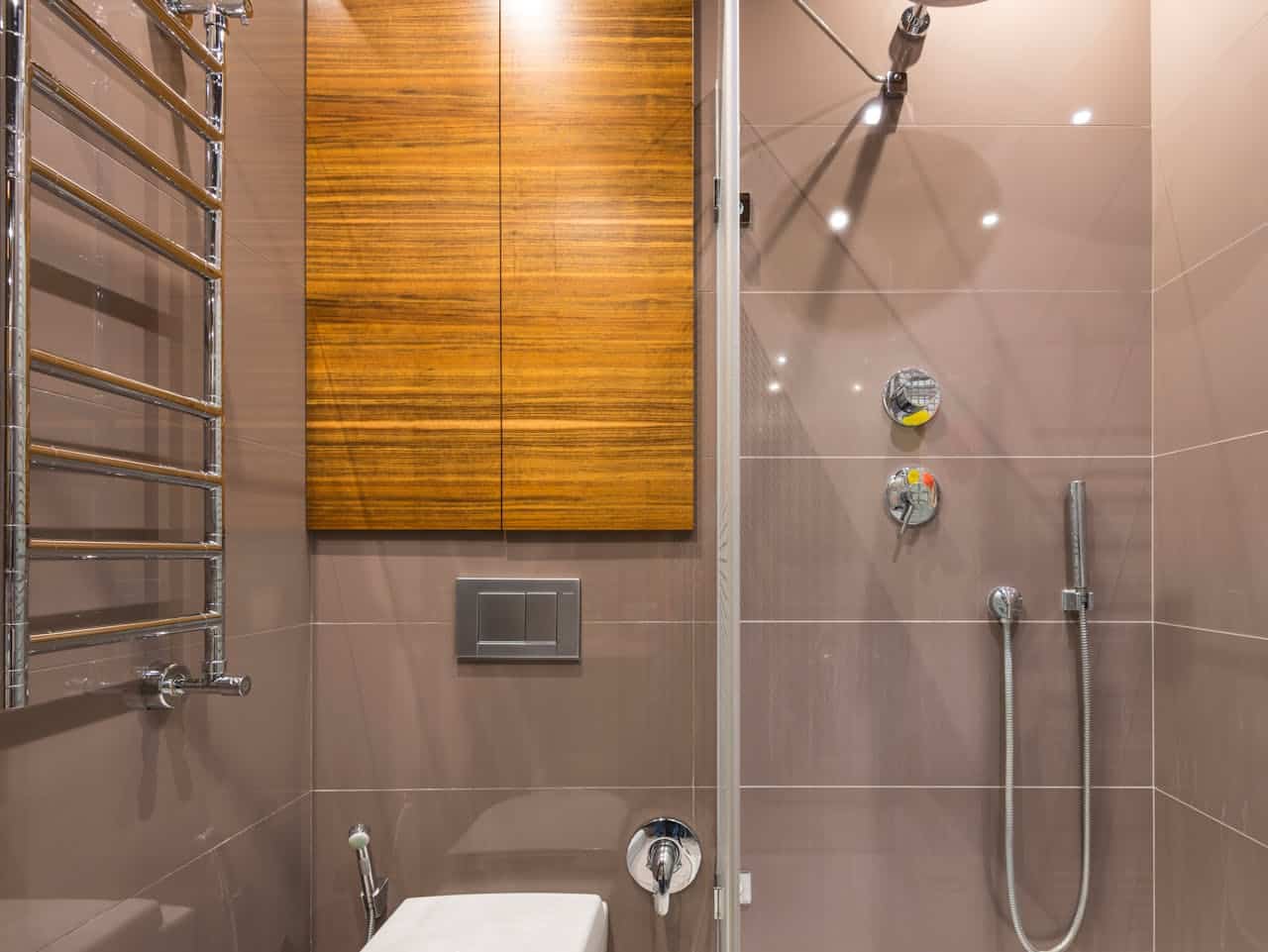
Bathroom remodeling gives an older space a fresh look and often makes it more useful day to day. From the layout of the vanity to the lighting or tile choices, it can shift how a room feels without changing its purpose. But one part many people don’t see at first is the plumbing. Pipes run under floors, behind walls, and inside ceilings, so it’s easy to overlook their role when planning upgrades. Still, the question comes up quickly once layout ideas start to take shape. Do you really need to move the plumbing to get the bathroom design you want?
The answer depends on what you’re changing and the shape your current system is in. Old homes in California, especially those in certain areas of Los Angeles, can have very different plumbing conditions from house to house. That makes it worth looking closer before making any plans.
When Plumbing Needs to Change
There are a few common reasons why you might end up needing to remap plumbing during a bathroom remodeling project. Each one ties back to how bathrooms are laid out and how we like to use them.
- Moving fixtures makes a big impact on layout. If you want a walk-in shower where the tub currently sits or plan to shift the toilet to a different wall, the plumbing will need to follow. Pipes aren’t always flexible, and most water supply and drain lines only run a short distance before they connect to bigger systems.
- Old or failing plumbing can’t always stay. If the pipes were installed more than 30 years ago or are made from outdated materials, it may not be safe or practical to keep them. You might also notice things like corrosion, leaks, or poor water pressure that suggest it’s time for an update.
- Upgrades call for changes too. If you’re going from one sink to two or creating space for a soaking tub instead of a shower, those features will need support behind the walls. That often means rerouting drain lines or splitting supply lines in new ways.
We always go over what’s changing and what needs to stay working. That helps catch surprises early instead of halfway through construction.
What Stays and What Goes
It’s possible to redesign a bathroom without touching every pipe behind the walls. Some supply or drain lines may still be in good shape and in the right spot to match the new setup.
- Existing drain locations that work with a new layout can sometimes stay in place. If a shower gets replaced with another shower, or a vanity updates without shifting along the wall, there’s a chance the plumbing below can remain.
- Supply lines that still meet local pressure and material standards can sometimes be reused too. These are usually shorter lines that run from the main plumbing point to each fixture.
- Vents for drains are another factor. Moving fixtures far away from the original spots could make those vents less effective. That’s something we evaluate carefully, since bad venting can lead to slow drains and odors down the road.
Changes in layout can raise costs fast if they require opening up floors or cutting into concrete. Balancing design goals with what can be reused helps manage the scope of a remodel without giving up the look you want.
Local Codes and Safety Requirements
In many older homes around Los Angeles, plumbing systems no longer meet current codes. That often catches people off guard during remodeling. Even if something has worked for years, it might not pass inspection after a wall is opened or a fixture is replaced.
- City rules may require pipes to be replaced if they are made from certain materials. Galvanized steel, older copper, or cast iron can all fall under that list, depending on their condition.
- Water pressure and pipe sizing rules have changed too. If you’re adding features like dual sinks or a shower with multiple heads, the system must often be upgraded to deliver the right flow.
- Long-term safety is part of the reason codes exist. Hidden issues like corroded pipe walls or improper joint seals can put both health and the structure of the bathroom at risk. Reworking the plumbing early helps prevent future problems that are harder and more expensive to fix later.
We always check building codes and permit needs at the beginning so nothing gets missed during inspection.
Planning Ahead to Avoid Surprises
Plumbing decisions shouldn’t come up halfway through a project. It’s best to work them into the earliest stages of planning. That includes talking through the kind of fixtures you want, how the room should flow, and whether floors or walls are staying as-is or coming out.
- Rethinking where doors go or how cabinets line up can leave less room for plumbing behind the scenes. We help flag things like that during layout reviews.
- Adding a second vanity can sound easy, but it needs the right drainage angle and venting to work consistently. That can mean shifting the wall framing or floor joists underneath.
- Early planning avoids mistakes that could cause delays, drywalls to be reopened, or costs to go up unexpectedly. A four-inch adjustment on paper might mean feet of new plumbing in real life.
We’ve seen how this kind of thinking saves both time and frustration once work gets going.
How Los Angeles Homes Play a Role
Homes in Los Angeles show a huge range in age and style, which means plumbing setups can vary widely from one block to the next. Some bathrooms haven’t been touched in decades, while others have been reworked several times over.
Many older homes have shallow crawl spaces or slab foundations that limit plumbing access. Any work beneath the floor needs careful planning to figure out where cuts or reroutes are possible.
- Original bathrooms were often smaller, with fewer fixtures and tighter layouts. Working within those footprints today may require changes in both plumbing and design to meet comfort standards now.
- Local rules support water-saving features like low-flow fixtures and dual-flush toilets. Tying those into an older system can require valve updates and pressure balancing, so everything runs properly.
A remodeling project in California is the right time to match your bathroom plumbing to modern use and inspection standards.
Build It Right the First Time
Taking the time to update plumbing during a remodel might feel like more work at first, but it usually pays off over time. A safe, modern layout not only prevents leaks and pressure issues, but it also makes future upgrades easier.
If we know something might change again in a few years, we can build in access or capacity for that. It keeps the new bathroom from needing another round of deep work down the line. In many cases, getting the plumbing right from the beginning shapes how flexible the space is moving forward.
Good remodeling focuses on what you see and what’s behind the walls. When both parts work together, the whole room functions better, feels better, and lasts longer. Whether you’re refreshing the layout or starting over completely, smart plumbing choices build the base for whatever comes next.
Understanding how the plumbing behind your walls affects your design is necessary when remodeling a bathroom in California, especially since many homes in Los Angeles still rely on older systems that may not suit modern fixtures. Whether your priority is maximizing space, improving flow, or boosting comfort, a thoughtful approach ensures the best outcome. Discover how we prioritize long-term function in our bathroom remodeling projects, and reach out to Precise Home Builders when you’re ready to discuss your ideas.
