
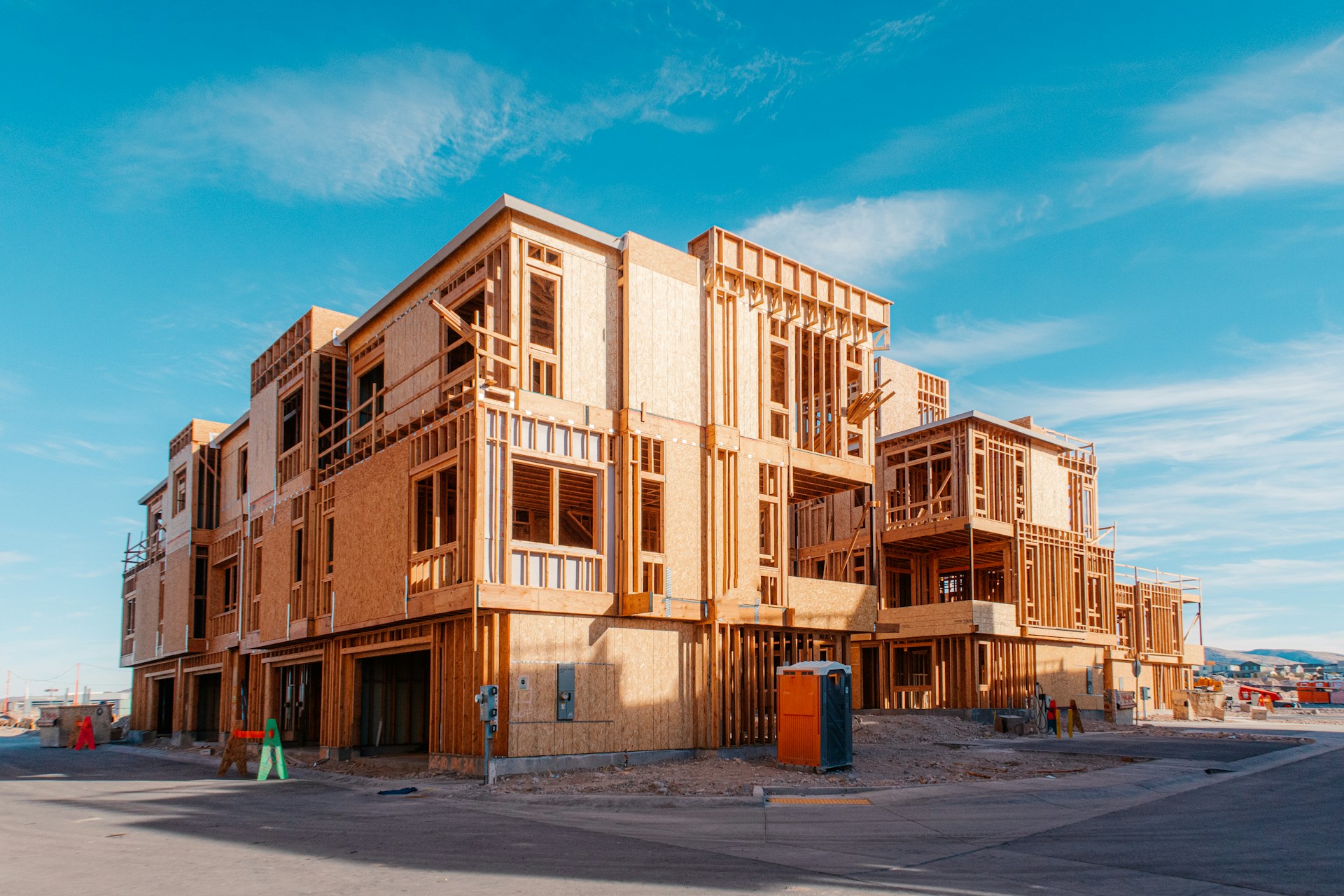
Spring brings noticeable changes across California, and if you’re working on new construction, the weather patterns can introduce a few surprises. While we get more daylight to work with and enjoy slightly warmer days, spring doesn’t always mean smooth building conditions. Variable rain, increased humidity, and shifting moisture levels can quickly affect how and when things get done on a construction site.
From site prep to framing, the season plays a bigger role than most people expect. Everything from soil conditions to materials can behave differently in early spring across places like Los Angeles or surrounding areas. Timing, planning, and extra precautions are key. As builders, we know how quickly spring conditions can shift, so it’s worth looking at how this season affects progress and what steps can help reduce interruptions.
How Rain Impacts Foundation and Framing
In spring, rainfall is one of the biggest factors that can push back early construction stages. When you’re getting started with grading or setting foundations, even just a few wet days can put a project on hold. It’s not just about working through light rain. Saturated soil can keep heavy machinery off-site, delay concrete pours, or cause trench collapses that need rework.
Another major concern is framing. Lumber needs to stay dry before it’s secured and sealed. If framing begins while the wood is damp or gets hit by rain during install, you run the risk of swelling, warping, or mold forming inside the structure. These are not just minor issues; they can slow progress and become costly to fix later.
To manage around this, we often revise timelines when forecasts show active storms, cover or store lumber under temporary structures, and complete prep work before rain hits. Spring building in California is possible, but it takes flexibility and close weather tracking to keep things moving. Being proactive in prepping for unpredictable weather may spare you bigger delays down the road and help protect your progress from unnecessary setbacks.
Material Storage and Moisture Concerns
With new construction, materials begin to arrive before they’re used. Storing them safely can be tough during spring, especially when humidity swings without warning. Too much moisture in the air, either from actual rainfall or lingering dampness, can cause real problems for exposed materials.
Lumber and drywall are some of the most sensitive. If these absorb too much moisture before install, they might warp, swell, or develop mold. Insulation can also break down or clump when damp, leading to energy efficiency problems down the line. Even metal components may develop surface rust when stored in consistent humidity without protection.
Here’s how we tend to handle materials during spring:
- Use raised or covered storage spots that allow for airflow and reduce ground moisture
- Keep sensitive items off-site longer and stagger delivery dates
- Seal items like trim or siding earlier in the process when weather allows
For all types of construction, we emphasize starting with high-quality materials and protecting them at every stage, which we detail on our new construction page. Staying one step ahead of spring moisture helps prevent reordering or wasting supplies. Good site organization and timely use of materials can help reduce spoilage, loss, or damage throughout unpredictable seasonal changes.
Scheduling Problems Caused by Shifting Weather
Every project runs on a tight schedule, and spring weather has a way of interfering more than expected. A few gray days here and there, or one unplanned downpour, can ripple through the calendar. Even if the rain doesn’t stop work entirely, sites often need clean-up or drying time before things can safely pick up again.
Inspection timing can be affected too. Local agencies might reschedule site visits if it’s unsafe or if conditions keep them from seeing what’s needed. Subcontractors can also be harder to lock in during this season since many crews shift timelines all at once when the forecast changes. Crew rescheduling or stacking trades too tightly can easily become a challenge if there is even a short delay caused by weather changes.
Here’s what we’ve learned about weather and scheduling:
- Build in buffer time for exterior tasks, especially framing and roofing
- Stay flexible with inspection windows by keeping communication open with your inspector
- Avoid stacking too many trades on-site in one week, backups can happen faster than expected
Early spring highlights how loosely you need to hold a calendar when building from the ground up. Adapting to spring setbacks may mean revisiting your project timeline several times to allow tasks to continue safely and smoothly.
Managing Soil and Site Conditions in Spring
One issue we see pop up often during spring start dates is unstable soil. Building begins with clearing and grading land, and if the ground is still wet from winter or recent rain, it may not settle correctly. A solid foundation depends on dry, compressed soil. When the ground’s soggy or starting to dry unevenly, shifting later becomes a concern.
Access can also be tricky. Mud gets in the way of trucks, deliveries, and workers. Trenches fill with water. Hillsides soften just enough to complicate retaining wall work. When planning spring construction, we look closely at the slope, shade, and history of the lot. Some places need added drainage or wait time after rain before real digging begins.
A few site prep moves we lean on:
- Use gravel or temporary access mats near driveways and foundation points
- Install basic drainage early if the terrain holds water
- Start clearing and compacting in late winter where possible to get ahead of spring dampness
Knowing the property and its patterns can prevent avoidable delays or repairs. Careful planning of how and when equipment and materials are brought onto a wet site helps reduce the risk of needing to redo foundation or landscaping work later.
Finishing Exterior Work Before Peak Sun
April and May stretch out our working days in good ways, but they also mark the last window before heat affects exterior finishes. Paint doesn’t dry the same when the air gets hot and dry. Roofing adhesives, window seals, and siding gaps can all behave differently if installed in peak sun or dry winds.
The goal in spring is simple: get the outside sealed, covered, and weather-proofed before heat becomes a factor. Paint applied in moderate, steady temperatures bonds better. Flashing and caulk flex more naturally when installed toward the season’s middle, not during high heat spikes.
To beat the clock:
Prioritize windows, roof, siding, and paint before June hits
- Work during morning hours for better curing and finish
- Fix any minor sealing issues now before they stretch in the summer sun
These tasks don’t seem rushed until summer shows up and early work needs redoing. Managing your exterior finishes before the hottest periods arrive can make a noticeable difference in the look and durability of your home.
Staying Ahead with Expertise in CA
When we build with the season in mind, the job usually goes smoother. Spring comes with setbacks like unexpected rain or up-and-down temperatures, but it also offers balance if you plan ahead. It’s easier to time site work, safer to seal interiors, and more practical to schedule inspections before the real heat arrives.
We always customize our construction approach in California neighborhoods, whether building new homes or working on multi-phase developments. According to our website, we also handle every important phase, from permitting to design to site preparation, to keep projects moving forward despite weather surprises.
Spring also gives us room to adjust. When we build knowing conditions might shift, we avoid doubling back later. Projects that roll through spring finish cleaner, with fewer patch jobs and less stress. With new construction, how you start often affects how you finish, and spring is a season where that really shows up.
Spring construction in California brings unique challenges and rewards, from keeping materials protected to handling permit delays as the weather changes quickly. When you’re planning a project, our experience with new construction helps make sure each step is managed efficiently. At Precise Home Builders, we understand how to build smart throughout California’s unpredictable spring seasons. Contact us today to start your project with confidence.
