
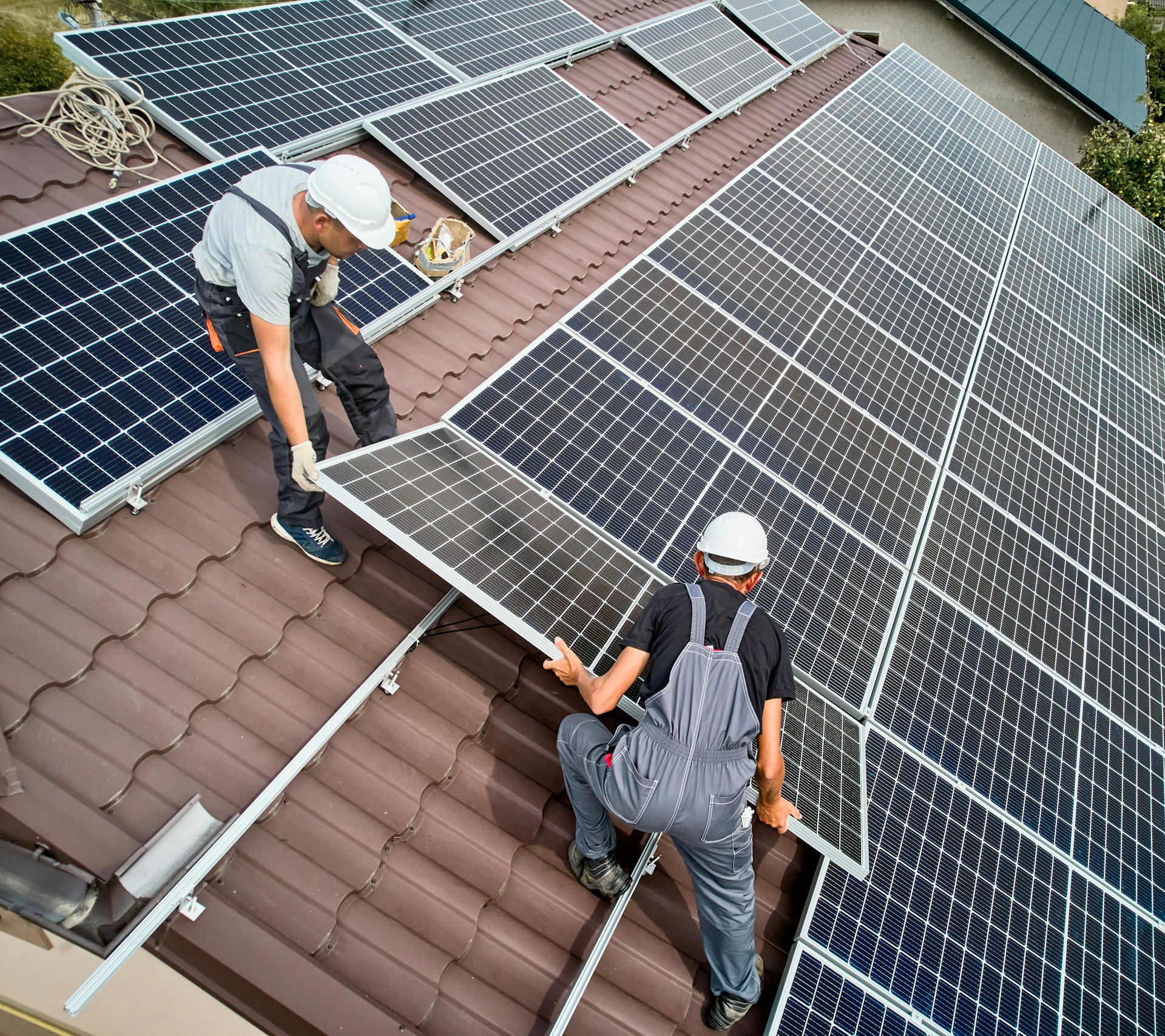
Every year, once we hit late winter in Los Angeles, the days start getting a little longer and sunnier. That’s when a lot of homeowners begin thinking about adding solar. It makes sense, more daylight means more hours to generate energy. Around that time, conversations about solar works usually stir up questions about battery systems.
But do solar works actually make sense without a battery system? The short answer is yes, in many cases. Still, it’s not always a one-size-fits-all decision. Whether or not a battery setup is right for your home depends on how and when you use energy, and how much flexibility you want in your system.
Understanding Basic Solar Systems
At its core, a solar system takes energy from the sun and turns it into electricity your home can use. When sunlight hits the panels, a current is created, which flows to an inverter and then to your home’s electrical system.
If your solar setup doesn’t have a battery, it’s what’s called grid-tied. That means if your panels make more power than you need at any time during the day, the extra power goes back to the electrical grid. In exchange, you may earn credits, depending on how your utility handles it.
During the day, when the sun is strong, your home can run on that solar energy directly. But once the sun goes down or if clouds roll in, your home switches to using power from the grid like usual. There’s no stored energy to pull from, which makes timing a factor.
When a Battery Isn’t Included
You don’t have to include a battery to get solar working. Many homes in Los Angeles use solar without one and find it still meets daily needs.
- Without storage, excess power rolls back to the grid
- Energy use during the day is covered, evening use pulls from the utility
- Fewer system parts keep things simpler to install and manage
- A battery can cost a lot up front, so skipping it may help with budget management
Some homeowners skip the battery to keep things more straightforward. They may not need backup power or don’t want to deal with the maintenance that comes with stored energy. Others want to start with panels now and think about battery upgrades later, especially if they expect incentives or prices to change.
What You Gain and What You Trade Off
A solar setup without a battery can still be useful, but it doesn’t offer the kind of energy control some people expect.
- You’ll still reduce daytime electric use from the grid
- If you’re home during the day, your energy use lines up well with production
- Nighttime energy use still depends on the grid
- Without a battery, you won’t have backup power during outages
For example, if you do most of your cooking, laundry, or charging devices during the day, you can lean into your solar supply. But if you’re mostly out and come home after sunset, you might not use much of that generated energy directly. That adds some waste unless your utility gives credit for what you send out.
Thinking Ahead Before Adding a Battery
If you’re putting in solar now but thinking about storage later, it’s helpful to think about how a battery would support your home down the road.
- Do you use a lot of power in the early morning or late evening?
- Do you often worry about outages where backup would help?
- Is your daily routine fixed or flexible based on energy availability?
- How large is your home, and how many appliances run regularly?
- Does your solar system design make future battery add-ons possible?
Some battery systems can be added later if your current setup is designed to allow for it. Others are easier to install upfront. So if storage is a future goal, it’s a good idea to plan for how that upgrade would fit with your current equipment and layout.
Real-World Fit for Los Angeles Homes
In the Los Angeles area, the decision to add a battery doesn’t always come down to just weather. In February, temperatures are still pretty mild, and most homes aren’t crushing their power bills with AC or space heaters. The sun is up a little longer each day, though, which helps with solar exposure.
Los Angeles has a strong grid most of the year, without frequent outages. That makes battery backups less of a must-have for daily use. And since there’s plenty of bright weather much of the year, a solar system without a battery can keep up with a good chunk of your needs during daylight.
Energy use during cooler months also looks different. Space cooling isn’t much of a concern, and heating loads tend to be lower. That shift in demand means solar energy can go further before needing support.
Making the Most of What You Have
Solar setups without batteries can still give you a lot of value. You just need to understand what they do well, and what they don’t.
- Easy to operate and often lower-cost to install
- Works great if you’re home during the day or your power habits match the sun
- Doesn’t give backup when the grid is down
- Less flexible for homes with high evening power needs
If your home matches up with daytime-oriented energy use and you’re not worried about backup power, going without a battery might be a smart choice. Over time, changes in your routine, home updates, or energy prices could make adding a battery worth it later.
We always say the best solar decisions are the ones that fit how you live. When you know what your home uses and when, you can tune your setup, battery or not, to work harder for you.
Thinking about solar for your home in CA and wondering if you really need storage? Understanding how solar works without a battery can help you make an informed decision. At Precise Home Builders, we know every household is unique and sometimes a simple system is the smartest choice. Whether you’re home during the day or just interested in cutting daily energy use, there are plenty of valid reasons to hold off on batteries for now. Let’s talk about what will work best for your home and lifestyle, give us a call to start the conversation.
